As Ghana celebrates Heritage Month, a period dedicated to honouring the nation’s history, culture, identity, and heroes, it is important to spotlight the extraordinary individuals whose sacrifices, courage, and leadership shaped the foundation of our society.
In today’s edition of the Ghana Month series by The Ghana Report, the lens is on one great woman called Rebecca Naa Dedei Aryeetey, affectionately known as Dedei ‘Ashikishan’, a formidable Ghanaian woman whose influence in trade, politics, culture, and social development left an enduring imprint on the Ga State and the wider Gold Coast, now Ghana.
Her life story is a powerful reminder that women were not merely passive participants in history but active architects of political power, economic transformation, and cultural continuity.
In an era dominated by colonial intrusion and patriarchal leadership structures, Rebecca Naa Dedei Aryeetey rose with extraordinary courage, intelligence, and resilience to become one of the most respected women in coastal Ghana.
She was popularly known for her flour business in Accra. Rebeca Naa Dedei was born around 1923 at Osu and grew up in James Town, Accra. Her parents were from Ga Asere and Osu.
After her primary education, Naa Dedei went into the flour business. She became so wealthy and influential through her flour business, which earned her the name ‘Ashikishan’, a Ga word meaning flour.
She was known to be the chief financier of the then CPP party and led CPP women’s activities at her house in Kokomlemle, Accra.
As a political activist of the CPP, she campaigned for and funded Nkrumah and the CPP party and played a significant role during Ghana’s struggle to attain independence.
She financed Nkrumah to win the Ashiedu Keteke legislative council seat, which made him the first Prime Minister of Ghana.
READ ALSO: Ghana Month: The real story behind ‘The Golden Stool’
Her closeness to Nkrumah made her an enemy of the rival political party, which allegedly led to her early death. She died at a CPP function in Ho on 22 June 1961 at the age of 38.
It was alleged that she was poisoned at the function after taking a hot tea when she complained of stomach pains.
The double-decker buses, which were brought to Accra by Harry Sawyer, were named after her ‘Auntie Dedei’.

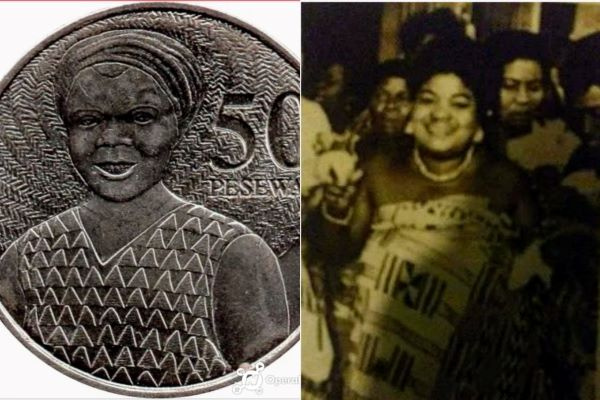
The government of President John Agyekum Kufuor approved the placement of Rebecca Naa Dedei Aryeetey’s image on the 50 Pesewas coin in 2007.
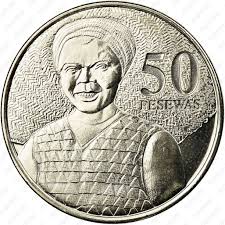
The coin was introduced in July 2007 as part of the currency change and redenomination exercise, honouring her as a Ga businesswoman and political activist who supported Kwame Nkrumah.
In a society where wealth translated directly into political power, Aryeetey’s financial independence gave her a commanding voice in public affairs.
More importantly, her achievements challenged prevailing gender norms. At a time when women were often expected to remain in subordinate economic positions, she demonstrated that women could build empires, control capital, and influence markets.
Her life stands as early evidence of African women’s entrepreneurial brilliance long before modern discussions of gender equality.
Dedei Ashikishan didn’t have any children before her demise.