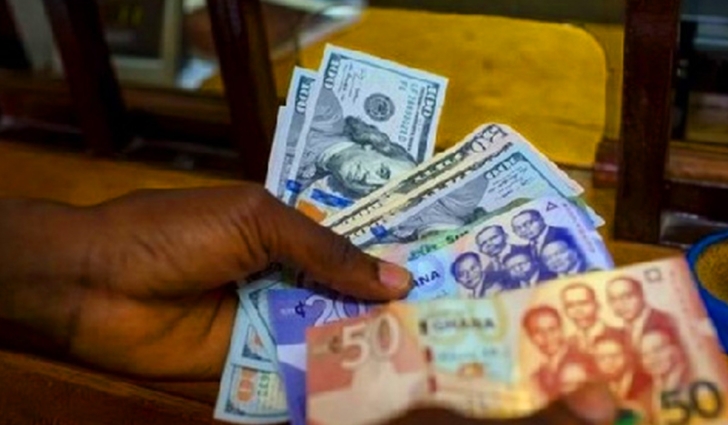
The Oil Palm Development Association of Ghana has noted that Ghana is losing about GH₵50 million every month to the smuggling of oil palm products, a situation it warns is undermining local production and government revenue.
The Association says large volumes of locally produced palm oil and related products are being smuggled across Ghana’s borders, depriving producers of income while denying the state much-needed tax revenue.
Speaking in an interview, President of the Association, Paul Aminu, said the persistent smuggling has made it increasingly difficult for local producers to sell their output.
“This issue has been with us for the past three or four years since COVID-19, and as of today it has become very severe. Most farmers can no longer sell their produce because of this trend. We are talking about losses of close to GH₵50 million going waste in the industry,” he said.
According to Mr Aminu, the problem is being fuelled by the importation of palm oil from countries such as Malaysia and Indonesia through neighbouring Togo, without the payment of duties.
“People are bringing in oil through the borders without paying any tax. The Ghana Revenue Authority and Customs must ensure stricter checks at the borders to stop this,” he added.
Meanwhile, the Minister of Finance, Dr Cassiel Ato Forson, has announced that government is setting up a dedicated US$500 million Oil Palm Development Finance Window to support the long-term growth and sustainability of the oil palm industry.
Dr Forson made the announcement on Thursday, November 13, 2025, during the presentation of the 2026 Budget Statement and Economic Policy to Parliament.
He explained that oil palm is a long-gestation crop that requires patient and affordable capital, noting that it takes nearly seven years to reach full maturity. As a result, he said conventional short-term commercial loans, with high interest rates and short repayment periods, are unsuitable for financing the sector.
To address this challenge, government is partnering with the World Bank, other development finance institutions, and the Development Bank Ghana to operationalise the facility.
The US$500 million finance window will provide long-tenor loans aligned with the crop’s growth cycle, include a five-year moratorium on principal and interest payments, and offer concessional interest rates to attract private sector investment. The facility will also finance up to 70% of project costs, with investors and cooperatives expected to provide the remaining 30%.