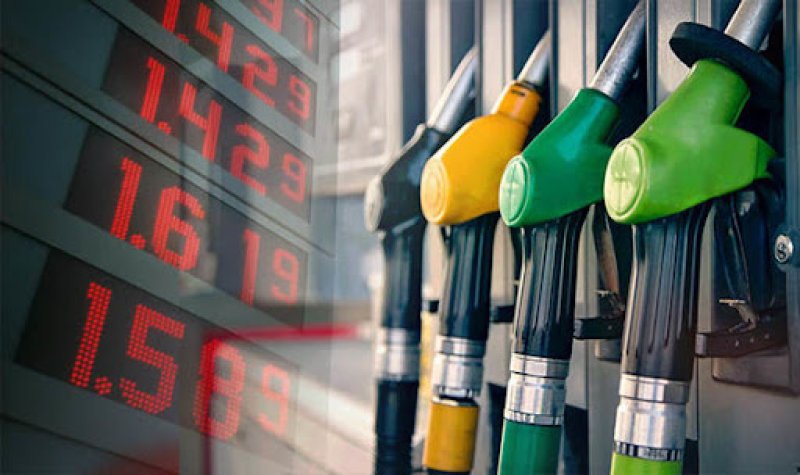
Fuel prices have started to rise at some fuel stations as Oil Marketing Companies (OMCs) implement price adjustments from February 1, 2026, in line with projections of a 2 to over 5 per cent increase per litre.
Checks conducted on February 1 show that market leader Star Oil has marginally increased its petrol price to GH¢9.99 per litre, up from GH¢9.97.
The company explained that the adjustment applies to its discounted prices nationwide and was necessary to align with a slightly revised petrol price floor.
Diesel prices, however, remain unchanged at GH¢10.95 per litre.
Zen Petroleum has also reviewed its prices, increasing petrol from GH¢9.94 to GH¢9.99 per litre. Diesel prices have risen to GH¢11.44 per litre, with the changes taking effect from February 2, 2026.
GOIL has similarly adjusted its prices, selling petrol at GH¢9.99 per litre and diesel at GH¢11.90. These rates apply to discounted sales at about 200 service stations nationwide.
While other major OMCs are in the process of reviewing their prices, the figures above represent the confirmed adjustments as of the filing date. More price changes are expected from February 2 as additional companies complete their reviews.
The Chamber of Oil Marketing Companies (COMAC) attributes the expected price increases mainly to the depreciation of the Ghanaian cedi against the US dollar in January 2026, as well as rising international crude oil prices.
Crude prices climbed sharply from about $64 to nearly $70 per barrel within two days during the review period.
COMAC noted that the cedi weakened marginally during the February 1 pricing window, depreciating from GH¢10.90 to GH¢10.98—a 0.77 per cent decline.
Despite these pressures, the Chamber said it has received assurances from the Bank of Ghana that efforts to maintain price stability while supporting economic growth remain a priority.
Industry sources indicate that competition is playing a stronger role in this pricing cycle. Market data suggests that most OMCs are setting prices only slightly above the official price floor, rather than imposing steeper increases as seen in previous pricing windows.