
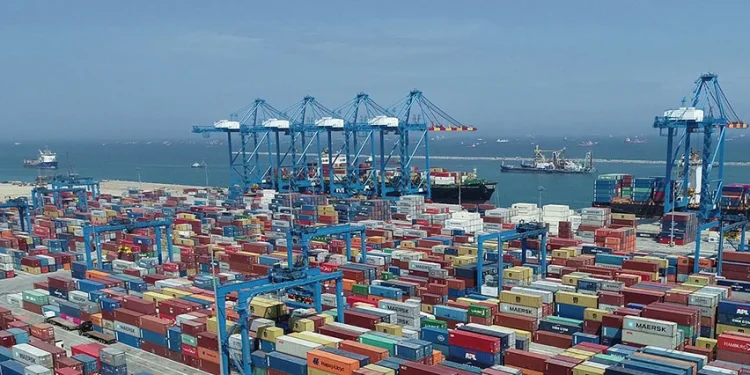
The Food and Beverages Association of Ghana (FABAG) has raised an alarm over persistent delays in clearing bulk and bagged goods at the Tema Port, warning that the situation could force importers to reroute cargo to neighbouring Lomé, Togo, creating risks of smuggling and revenue losses.
In a statement on December 29, FABAG said the delays are already disrupting supply chains and driving up costs for businesses across the food and beverage sector.
“The Food and Beverages Association of Ghana urgently draws attention to growing concerns among its members regarding significant delays in offloading and clearing bulk and bagged goods at the Tema Port,” the statement said.
FABAG attributed the delays to a shortage of unskilled labour, who have been on strike due to disputes with port management over compensation.
Efforts to address the issue by hiring temporary workers have fallen short. According to the association, these temporary labourers can offload only about 200 metric tonnes per day, far below the usual 2,000 metric tonnes, leading to prolonged vessel stays and rising demurrage charges.
“This slowdown is causing high operational costs for importers, which could translate into higher prices and reduced availability of essential products such as rice and sugar in the market,” FABAG warned.
The association also expressed concern that ongoing delays could push importers to seek alternative ports, particularly Lomé in Togo, which could undermine border controls and encourage smuggling, resulting in potential revenue losses for the government.
FABAG called for urgent dialogue among all parties involved, including the Director General and management of the Tema Port, relevant authorities, and labour representatives.
“A swift and sustainable resolution is critical to restoring efficient port operations, reducing unnecessary costs, and ensuring the smooth flow of food and beverage supplies to the Ghanaian market,” the statement noted.