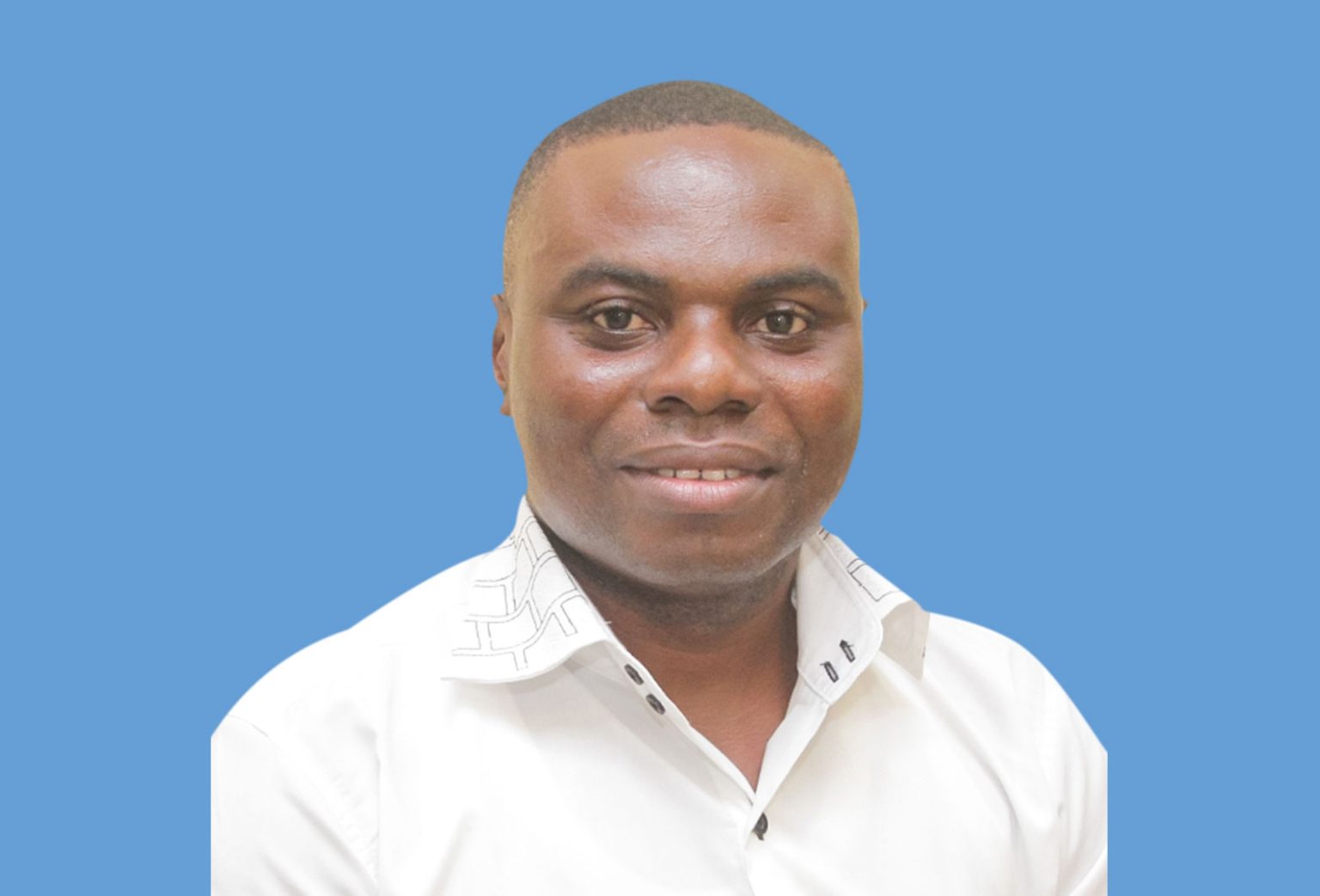
Economist Dr. Sampson Anomah has criticised the Government and the Bank of Ghana (BOG) over what he describes as “excessive and unnecessary” spending to stabilise the Ghanaian cedi in 2025.
His comments follow fresh data indicating that the central bank injected significant foreign exchange into the market throughout 2025 to curb volatility and support the local currency.
According to official data, BoG pumped an estimated $10 billion into the forex market between January and December 2025 under its FX Intermediation Programme.
The interventions were done largely through dollar auctions funded by proceeds from the Domestic Gold Purchase Programme.
In October 2025 alone, the central bank injected about $1.15 billion to ease pressure on the cedi and improve liquidity in the interbank market.
Earlier in the year, the Bank of Ghana also intervened heavily, including about $490 million in April 2025.
These measures contributed to a remarkable turnaround in the performance of the cedi.
Data from the central bank show the currency appreciated by about 13.9% against the US dollar by October 2025, with year-to-date gains exceeding 30% at certain points.
Despite these gains, Dr. Anomah argues that the scale of intervention raises concerns about long-term economic stability. He contends that such heavy reliance on forex injections could distort market fundamentals and create artificial stability, rather than addressing structural weaknesses in the economy.
However, the Bank of Ghana has defended its approach, insisting the interventions were carefully structured and did not deplete reserves.
Official figures show Ghana’s gross international reserves improved from $9.1 billion in December 2024 to over $11.4 billion by October 2025, with projections suggesting they could exceed $12 billion by year-end.
His stand highlights a broader policy dilemma: whether aggressive central bank intervention is justified to stabilise the currency in the short term, or whether it risks undermining long-term macroeconomic discipline.