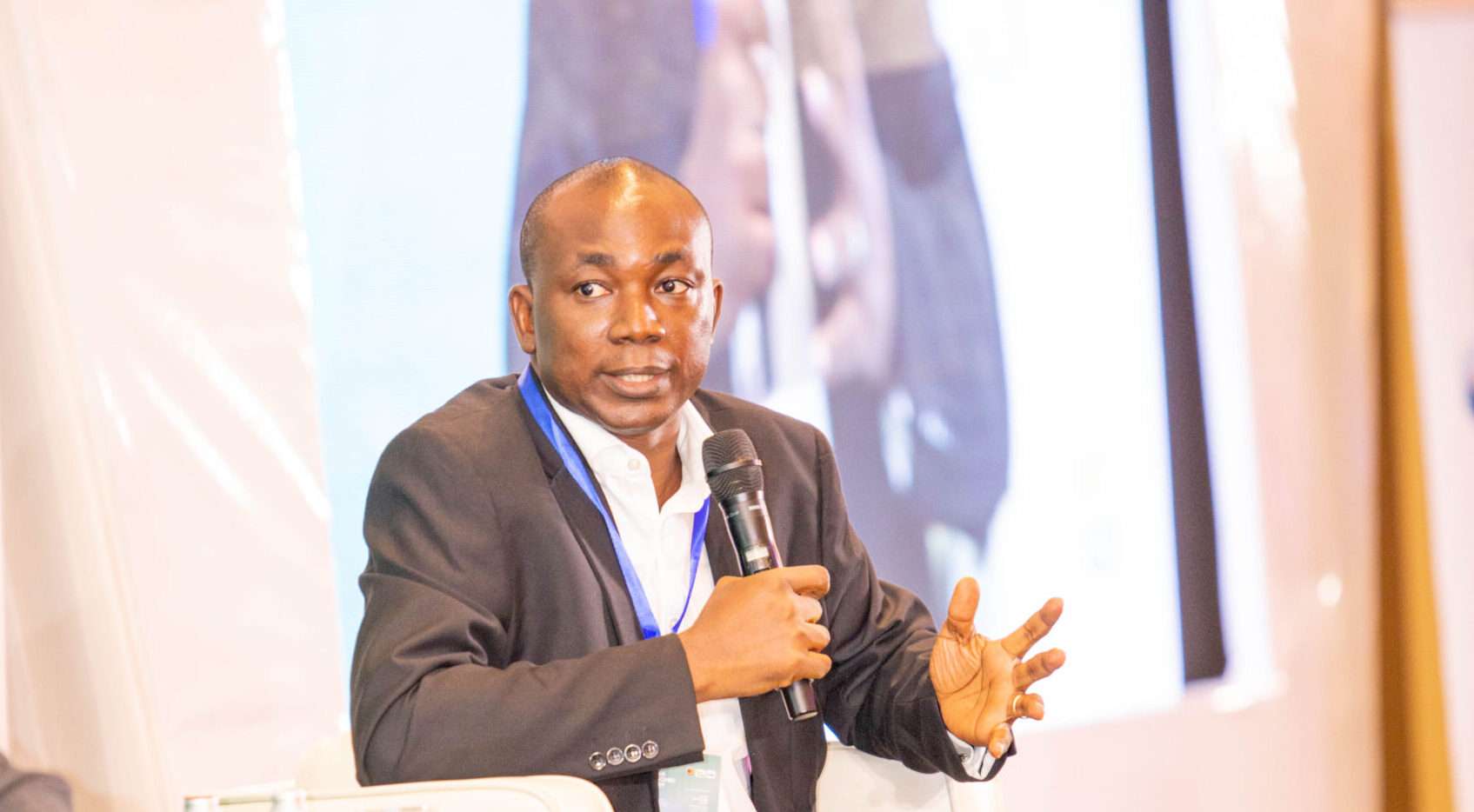
Professor Godfred Bokpin, a finance and economics expert at the University of Ghana, has cautioned that Ghana’s economic transformation hinges critically on bold reforms within the energy sector, especially the Electricity Company of Ghana (ECG).
Speaking during a discussion on the latest State Interests and Governance Authority (SIGA) report on state-owned enterprises, Prof. Bokpin stressed that energy is the backbone of national development.
“Nothing works without energy. It’s that fundamental, right now, we don’t even have reliable power for an eight-hour economy yet we’re talking about a 24-hour economy. That’s simply unrealistic under current conditions,” he said.
He argued that industrial growth and private sector competitiveness depend on access to affordable and reliable electricity.
Instead, inefficiencies within ECG are pushing up operational costs for businesses and stalling progress.
Citing the utility’s performance, Prof. Bokpin pointed to glaring gaps: ECG’s revenue collection rate stands at 85%, far below the global average of 98%.
Its losses are around 28%, compared to the international benchmark of 10–16%.
“These numbers are alarming,” he said. “And without drastic reforms, the situation will not improve.”
Prof. Bokpin attributed the persistent underperformance to systemic governance failures, political interference, and poor investment decisions.
He said ECG suffers from misaligned priorities, over-investment in some areas, under-investment in others, resulting in idle assets while critical needs remain unmet.
“This is driven by a procurement culture designed to benefit a few powerful individuals, rather than meet the country’s real energy needs,” he said.
He also criticised the lack of accountability for mismanagement.
“Every year, we see reports highlighting inefficiencies and financial missteps yet no one is held responsible. No arrests, no prosecutions, no asset recovery. Instead, the burden is passed on to consumers through new levies. That’s not how you build a sustainable economy.”
Prof. Bokpin warned that the financial impact of ECG’s inefficiencies is massive.
“Between now and 2029, the government’s budgetary allocation to support ECG will exceed what we spend annually on key ministries like Food and Agriculture, Trade, Health, and Education. That’s how deep the problem runs.”
He called for urgent and far-reaching reforms in ECG and the broader energy sector, without which Ghana’s long-term economic ambitions will remain out of reach.