

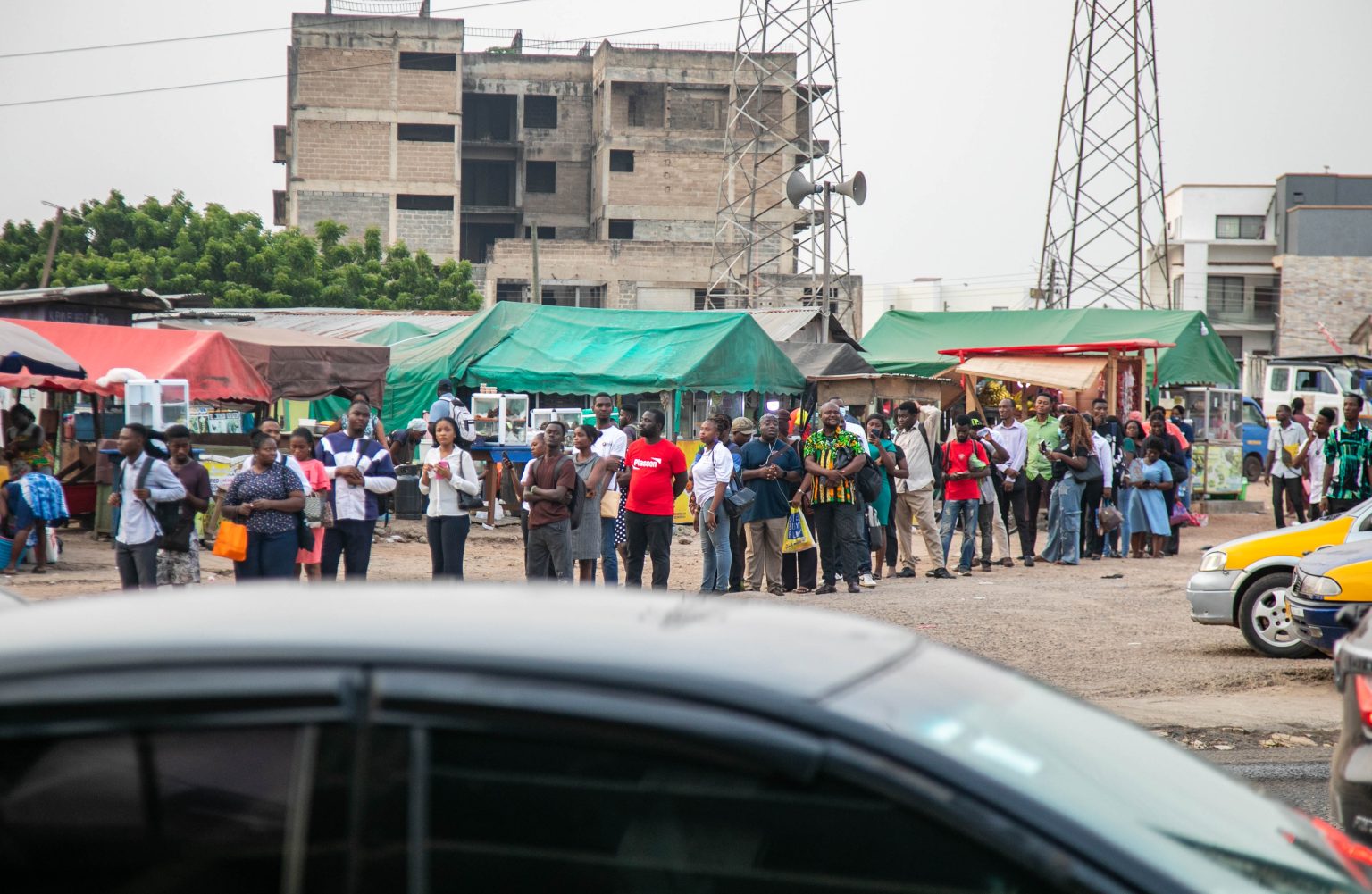
In early 2026, getting to work, school, or home in Accra has become a daily ordeal for thousands of commuters.
Long queues at bus stops, shortages of trotros, and sudden, often unjustified fare increases now define the city’s public transport experience, especially during peak hours.
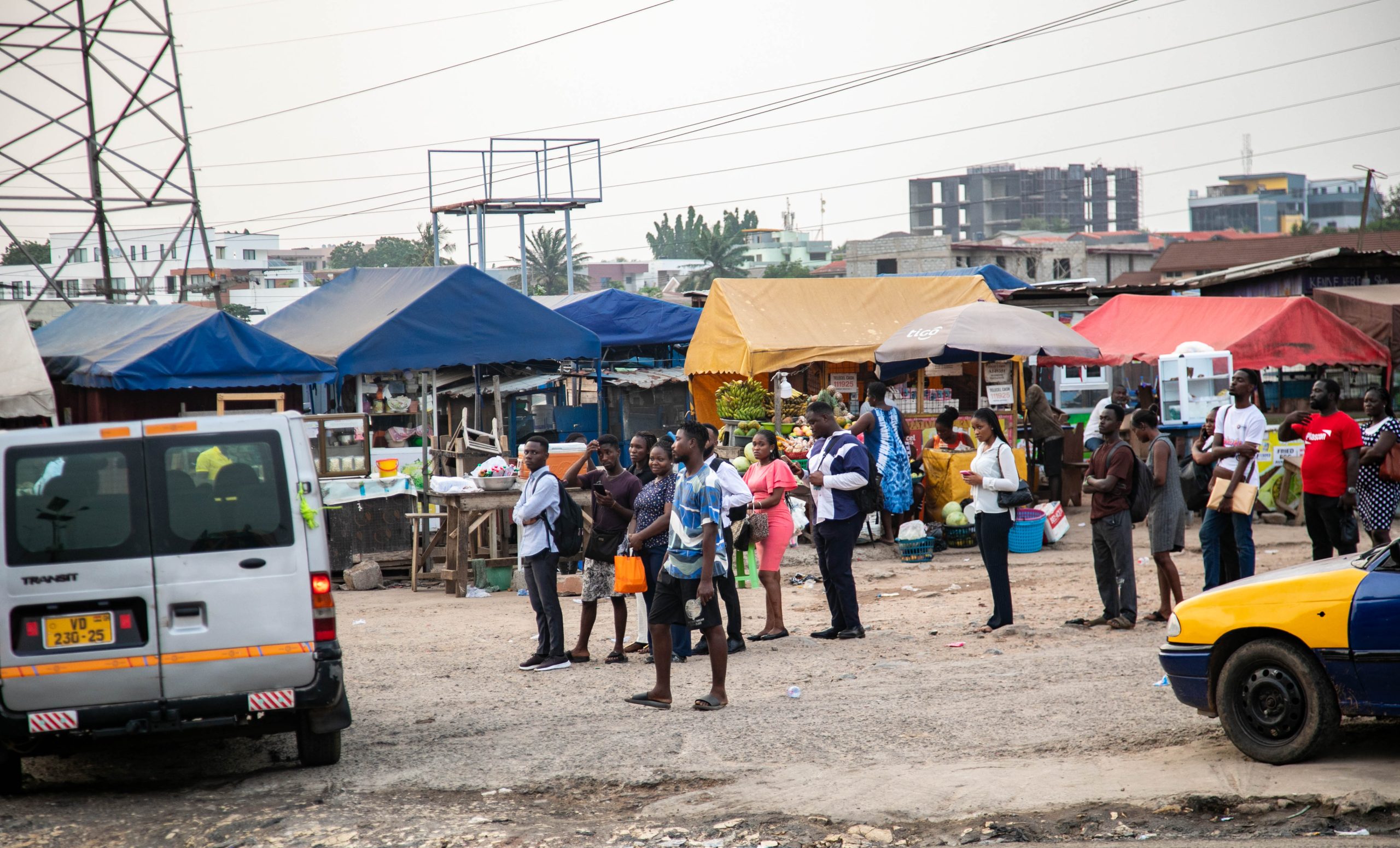
Across major terminals and roadside stops, passengers spend hours waiting for vehicles that may never come.
Those who are lucky enough to board often pay more than approved fares, simply because drivers take advantage of the desperation of stranded commuters.
Transport analysts attribute this worsening situation to years of weak regulation, deep political interference, and poor planning within Ghana’s public transport system.
These long-standing problems have now culminated in a crisis that hits urban commuters hardest.
Long queues, fewer vehicles, higher fares
At the American House bus stop in East Legon, queues stretch far into the road each morning and evening.
Commuters heading to destinations such as Lapaz, Kasoa, and surrounding areas wait endlessly, while most available vehicles prioritise routes like Circle, where quicker returns promise faster profits.
Drivers at the station told The Ghana Report that the delays are partly due to traffic congestion and prolonged police checks by the Motor Traffic and Transport Department (MTTD).
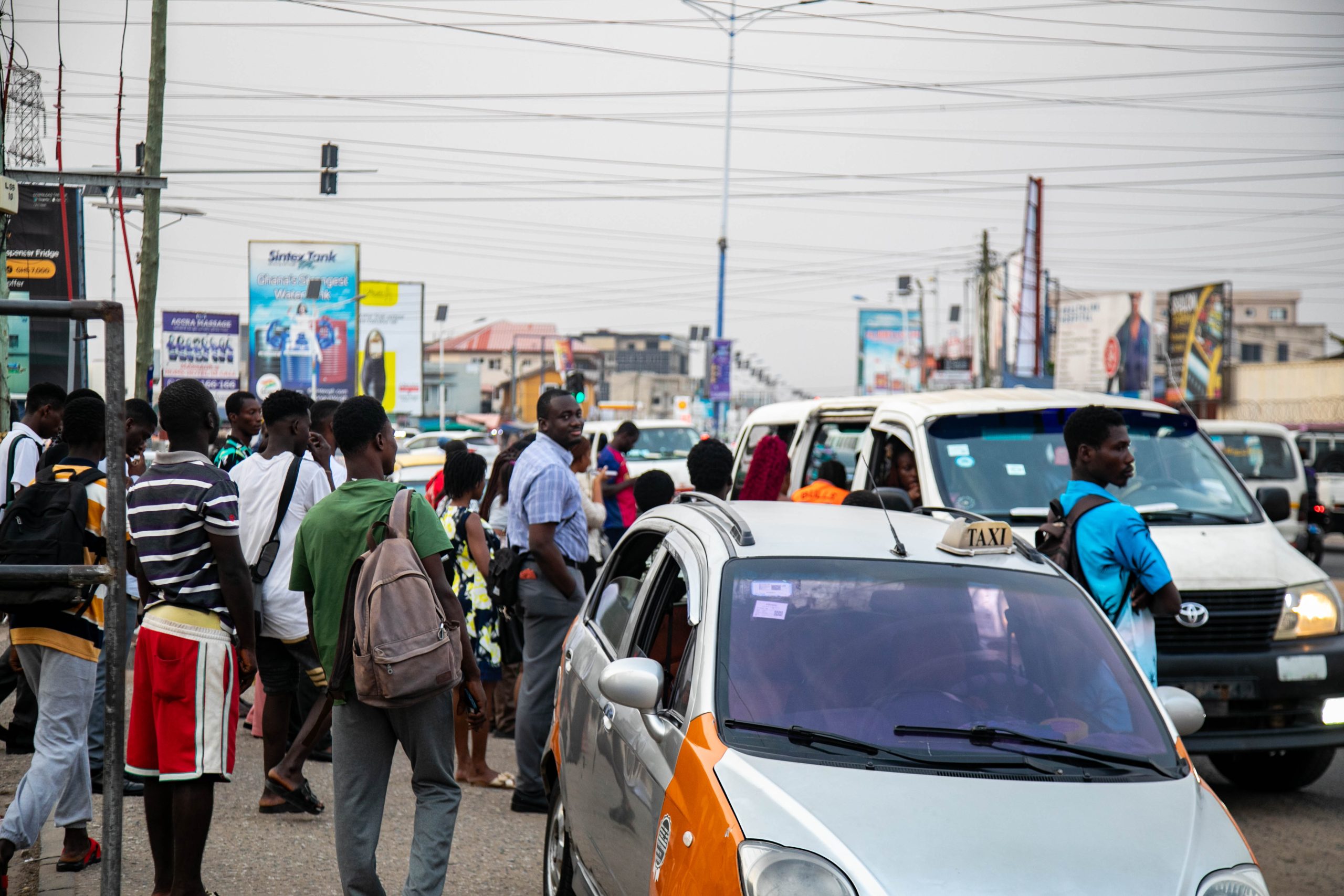
According to one driver at the American House station, Daniel Akaba, vehicles that leave fully loaded take a long time to return, worsening the shortage.
Drivers also justify fare increases by pointing to hours lost in traffic and long waits at terminals.
For passengers, however, this explanation offers little comfort.
“I’ve been in this queue for hours, some drivers deliberately say they’re going to Kasoa so they can charge double, even though they’ll pass through Lapaz anyway,” said Kwame Ansu, a commuter heading to Lapaz.
Such practices have become common, leaving passengers feeling exploited and helpless.
Moses Ayamga, a commuter who spent hours in a long queue, urged the government to revamp Metro Mass Transit to complement private operators, saying this would ease congestion, improve reliability, and help prevent the overcharging of fares.
A systemic problem years in the making
Government under fire
The worsening situation has triggered sharp criticism of the Ministry of Transport.
The Concerned Drivers Association has openly called for the removal of Transport Minister Joseph Bukari Nikpe, accusing him of failing to address the crisis.
Its PRO, David Agboado, says promised interventions, such as deploying STC buses during peak shortages, have not materialised.
“People are still going through the same stress,” he said.
“The only thing he has pushed successfully is the Okada Bill. But can motorbikes solve Accra’s transport crisis?”Mr Agboado also blamed the shortage of vehicles on high spare-parts costs, noting that nearly half of commercial vehicles are currently off the road.
Despite some currency stability, prices of critical parts like axles and steering racks remain high, making maintenance impossible for many drivers.
“Our vehicles are old, some dating back to 2012. Breakdowns are inevitable,” he said.
Unions push back
The GPRTU has rejected claims that its members are deliberately overcharging passengers.
Its General Secretary, Kofi Amoah, insists that most abuses are committed by unregulated “floating vehicles.”
He says the union has activated task forces to enforce approved fares and urged commuters to use recognised union stations, where operators are easier to monitor.
The human cost
For commuters at American House, these institutional debates offer little relief.
Each day begins and ends with uncertainty, whether they will find transport, afford the fare, or arrive on time.
Until meaningful reforms address regulation, vehicle supply, terminal control, and public investment, Accra’s transport crisis will continue to punish the very people who keep the city running.











What is GPRTU members doing about the situation. This is not the way to make money. Some of the trotro buses are not even roadworthy. As for transport the government should get involved to regulate the running of the buses as it done in most countries. The Minister of Transport should be up and doing.