


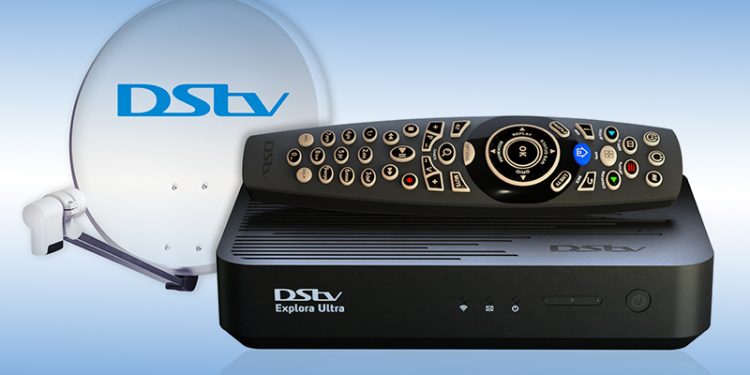
By the second week of September 2025, DSTV could be taken off air in Ghana if Multichoice, the parent company of DSTV and GoTV, fails to reduce its subscription prices.
Communications Minister Sam George has issued a firm ultimatum to Multichoice Ghana, demanding a 30% cut in DSTV package prices to reflect the significant appreciation of the cedi this year.
The minister argues that if exchange rate volatility was previously used to justify price increases, then the recent economic gains, particularly the over 40% appreciation of the cedi must now be reflected in lower prices.
At the start of 2025, the cedi traded at GH¢14.70 to the US dollar.
Since April, it has stabilized between GH¢10.30 and GH¢10.50.
This macroeconomic improvement, according to the minister, invalidates Multichoice’s long-standing justification for higher subscription fees.
Following several rounds of engagement, the Ministry formally directed Multichoice to reduce DSTV subscription prices by 30%.
The company, however, rejected the directive, calling it untenable.
In response, the minister instructed the National Communications Authority (NCA) to suspend Multichoice’s operating license in Ghana if it does not comply by Thursday, August 7.
Following the company’s failure to meet the Minister’s deadline, NCA has formally notified Multichoice Ghana Limited of its intention to suspend its authorisation to operate its Pay TV service in the country.
As required by law, the NCA has given Multichoice Ghana thirty (30) days to respond.
One of the minister’s key concerns is the glaring disparity in DSTV pricing across countries.
In Nigeria, the Premium package costs about $29.05, while South African subscribers pay $38.66.
In Ghana, however, consumers pay a staggering $82.41 for the same package.
Although content costs, market size, tax regimes, and licensing agreements vary across regions, Ghana’s price point remains the highest among DSTV markets and far above comparable economies.
But the situation raises a critical legal question: can the NCA legally suspend Multichoice’s license based on pricing?
Under Clause 13 of the Electronic Communications Act, 2008 (Act 775), the NCA has the authority to suspend or revoke a license if a company materially breaches the Act, disregards lawful directives, defaults on regulatory fees, ceases operations without notice, or poses a threat to national security or public interest.
However, the law also mandates due process: the company must be given 30 days’ written notice, a clear explanation of the grounds for suspension, and an opportunity to respond or remedy the situation.
In this case, the dispute may fall under Clause 25 of the same Act, which governs pricing.
This clause stipulates that electronic communication service providers are free to set their own tariffs based on market conditions, unless they dominate the market, distort competition through cross-subsidies, or engage in anti-competitive pricing.
In the absence of such evidence, the NCA’s authority to enforce a price cut could be legally challenged.
This opens the door to potential legal risks for the government.
If the directive for a 30% price reduction lacks clear evidence of market abuse or excessive profits, Multichoice could challenge the move in court or even take the matter to international arbitration, given its presence in multiple jurisdictions.
As the 30-day period drags on, the nation is watching closely.
If Multichoice refuses to comply and the NCA acts without following proper legal procedures, the fallout could include service disruption, lengthy legal battles, and questions about Ghana’s regulatory environment.
On the other hand, if the company gives in, it could mark a major win for consumer advocacy and economic accountability.
Either way, the clash over DSTV prices is shaping up to be a defining moment in the relationship between corporate giants and state regulators in Ghana.