Background
- Kwame Nkrumah Circle (now the Kwame Nkrumah Interchange) remains the central transport hub of Accra, serving as the main departure point for commuters heading to all parts of the capital and beyond. Despite infrastructure upgrades like the three-tier interchange (completed in 2016 to ease vehicular flow), the area continues to suffer from heavy congestion, chaotic operations, and safety issues.
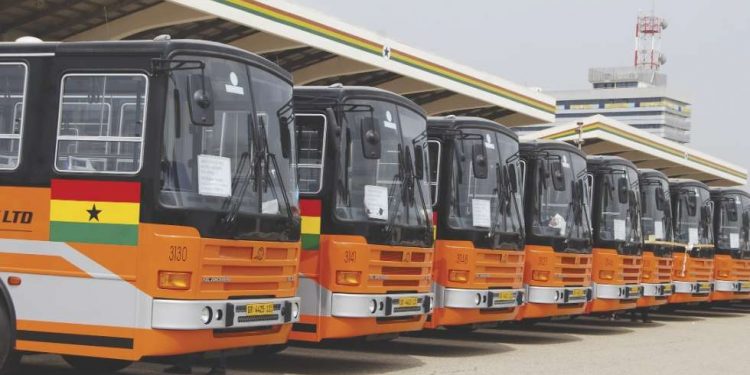
- Multiple trotro stations, a Metro Mass terminal, an Aayalolo bus terminal, and scattered taxi points create disorder. Unruly trotro drivers compete aggressively for passengers, causing gridlock, long queues, pollution, and pedestrian hazards. Recent reports (as of early 2026) highlight persistent gridlock, especially during peak hours, with drivers often ignoring regulations.
Core Problems
- Too many fragmented trotro stations leading to chaotic loading/unloading.
- Unregulated trotro and taxi operations competing with formal buses.
- Inefficient passenger waiting and boarding, contributing to traffic jams and safety risks.
- Underutilized potential of mass transit options like Metro Mass and Aayalolo (which face their own challenges, including limited operations and maintenance issues).
Proposed Reforms
- To create a more organized, efficient, and decongested Circle, implement the following straightforward changes:
- Restrict long-distance and major corridor routes to formal mass transit buses
- Reserve key high-volume routes from Circle (e.g., to Kasoa, Madina, Teshie, Ashiaman, Amasaman, Adenta, Ofankor) exclusively for Metro Mass and Aayalolo buses.
- These larger-capacity vehicles can move many more passengers at once, reducing the number of vehicles on the road.
- Mandate frequent departures (every 10 minutes during peak hours) to eliminate long queues and waiting times.
- This shifts mass movement to orderly, regulated buses while freeing up space.
- Consolidate and eliminate scattered trotro stations
- Remove all informal trotro stations around the Circle and direct all passengers to one or two centralized bus terminals for boarding Metro Mass/Aayalolo buses.
- Repurpose the freed-up former trotro stations into a modern international/regional coach terminal for intercity coaches (e.g., services to other regions or countries), which are increasing rapidly.
- This creates dedicated, well-designed facilities with proper ticketing, seating, and security.
- Relegate trotros to suburban and feeder roles
- Allow trotros to operate mainly within suburbs and as connectors (e.g., drop off at points like St. John’s and transfer to a local trotro for destinations like Dome or Kwabenya).
- This positions trotros as efficient last-mile options rather than competing directly with buses on main corridors.
- Phase out stationary taxi stations
- Eliminate dedicated taxi ranks in the Circle area.
- Require taxis to remain mobile, picking up passengers only along roads (hailing), similar to ride-hailing practices.
- This prevents stationary congestion and encourages smoother flow.
Expected Outcomes
- Decongested Circle: Fewer vehicles idling/waiting, reduced chaotic driver behavior, and smoother traffic flow for everyone.
- Passengers always in motion: Quick boarding, minimal queues, and faster journeys with reliable bus frequencies.
- Less traffic and pollution: Lower number of small vehicles on major routes, leading to reduced gridlock and improved air quality.
- Safer and more orderly environment: Centralized terminals improve pedestrian safety, regulation, and overall user experience.
- Better integration: Formal buses handle volume efficiently, trotros provide flexible suburban access, and coaches get a proper hub.
By; Markus Kennedy Katey (Farmer)