


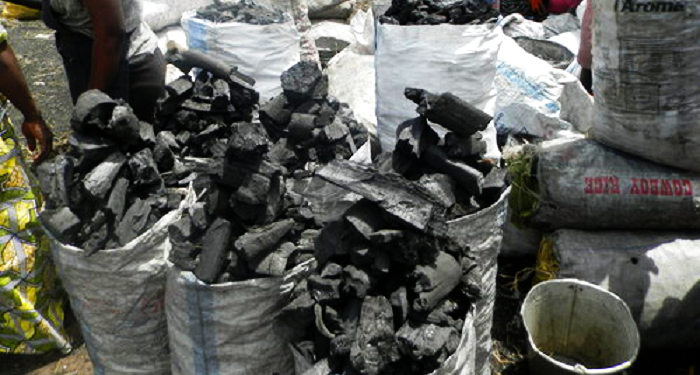
Charcoal, plantain, bread among top drivers of November inflation
Ghana’s November 2025 inflation data shows that the country’s cost-of-living pressures continue to stem largely from everyday food staples, household essentials and utility-related expenditures, with charcoal once again emerging as the single biggest driver of consumer price increases.Ghana tourism services
According to the latest Consumer Price Index breakdown, charcoal topped the list of the 10 largest inflation contributors, after its year-on-year contribution jumped to 9.2%, highlighting the persistent cost pressures within household energy sources.
Smoked herrings followed as the second-largest contributor, with inflation rising to 7.6%, reflecting ongoing volatility in processed fish prices.
Plantain (green) ranked third even after easing to 6.8% remains one of the strongest influencers of food inflation due to sustained supply-side tightness.
Non-food items also featured prominently.
Cinema and cultural services placed fourth with a 5.7% inflation, highlighting rising leisure and entertainment costs.
Ginger ranked fifth at a striking 5.4%, one of the steepest increases within the food basket.
Price pressures on large onions (4.7%) made them the sixth-largest contributor, ahead of cooked rice in seventh place, which despite slowing still recorded 4.2% inflation.
Accommodation-related costs continued their upward trend, with hotel and accommodation services taking the eighth position at 4%.
Vegetable oil followed in ninth place after moderating to 3.9%, while yam rounded out the top ten with a 3.5% rise. Bread came in eleventh at, reinforcing the broad-based nature of food-related inflation.
Prepared foods and other essentials also featured strongly. Kenkey with fried fish ranked twelfth, river fish thirteenth, and beef fourteenth.
Tomato paste placed fifteenth, highlighting sustained pressure on processed food items.
Utility-related costs re-emerged on the list with re-sold tap water (barrels and jerrycans) taking the sixteenth position..
Secondary school fees followed in seventeenth, ahead of fufu with soup in eighteenth. Refuse disposal ranked nineteenth.
Completing the top 20 list, electricity inflation slowed sharply to 14% year-on-year, significantly easing its contribution relative to the steep hikes recorded earlier in the year.
The November data suggests how deeply inflationary pressures remain embedded across essential consumption categories, while deepening concerns about structural cost drivers in food supply chains, utilities, and household services.