As Ghana prepares for the presentation of the 2025 Budget today, Tuesday, March 11, renowned economist Professor Godfred Bokpin is calling on the government to take a fresh look at the betting tax and other levies.
His comments come amid growing speculation that the government may scrap some taxes, including the e-levy, COVID-19 levy, and betting tax, in a bid to ease the burden on citizens and stimulate economic activity.
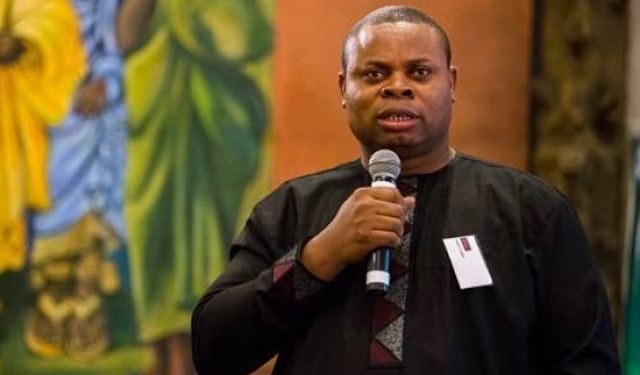
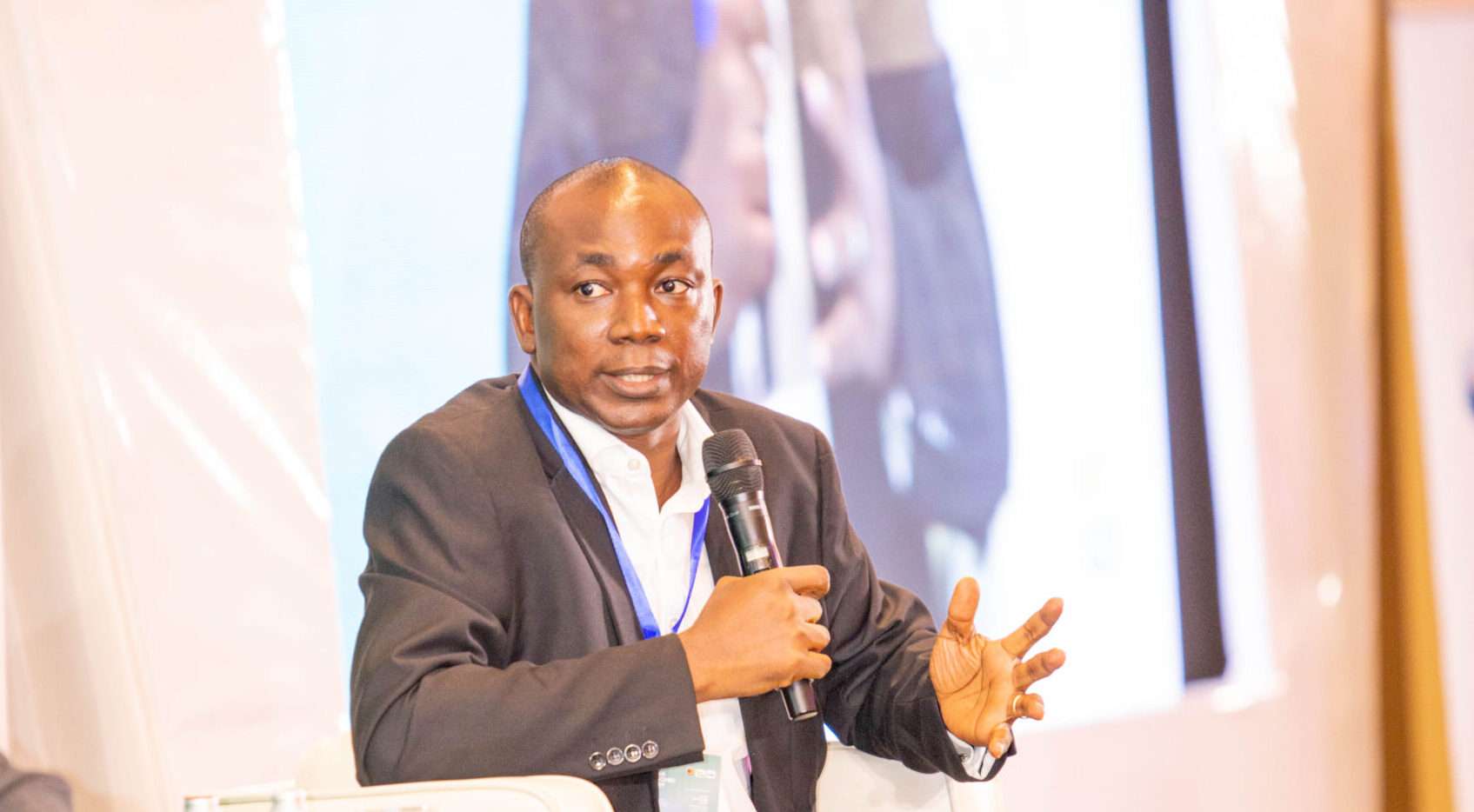
Speaking in an interview on Monday, March 10, Professor Bokpin emphasized the need for realistic expectations ahead of the new administration’s first major budget.
“While I expect the government to stay committed to fiscal consolidation, likely through taxation, I also anticipate key revisions to the tax regime, especially the removal of the e-levy and COVID-19 levy,” he stated.
“But when it comes to the betting tax, I believe the government must reassess its approach, considering the behavioural and social implications.”
He also pointed out that the emission tax, though still on paper, has not generated any revenue and may not require immediate policy adjustments.
Addressing concerns over the potential revenue shortfall from removing these levies, Prof. Bokpin estimated the loss could exceed GH₵7 billion.
However, he believes this gap can be closed through improved tax administration and compliance, particularly in corporate income tax and VAT, which he described as underperforming.
“If we improve VAT efficiency by just 15%, the revenue gains could fully offset the impact of scrapping these taxes,” he explained. “Rather than viewing tax cuts as losses, we should see them as incentives to boost household spending and business growth, which will, in turn, drive economic recovery.”
Prof. Bokpin also stressed the importance of cutting wasteful government spending and adopting a leaner governance model.
He called for clear cost-saving measures in the budget and their expected impact on fiscal space in 2025 and beyond.
Finally, he urged the government to provide a transparent and honest assessment of Ghana’s fiscal position as of the end of 2024.
He cautioned that the country is unlikely to meet its revised targets of a 3.5% fiscal deficit and 0.5% primary surplus and called for clarity on arrears owed by state-owned enterprises and other financial liabilities.
“We need a data-driven, honest picture of our public finances, not exaggeration or sugarcoating. Only then can we craft the right policies for a sustainable recovery,” he concluded.