The Bank of Ghana has identified developments in government spending and debt financing as key fiscal risks that could affect liquidity and the exchange rate.
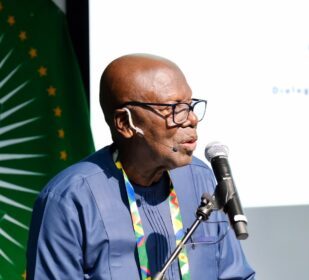
The Governor of the Bank of Ghana, Dr Johnson Asiama, said the Monetary Policy Committee will closely assess how fiscal developments for the remainder of 2026 interact with monetary policy.
Speaking at the opening of the 132nd MPC meeting, Dr Asiama said an increase in government spending could lead to a higher share of short-term domestic debt.
He explained that this could have implications for liquidity conditions in the economy.
“If spending is to rise, the share of short-term domestic debt could also rise,” he said.
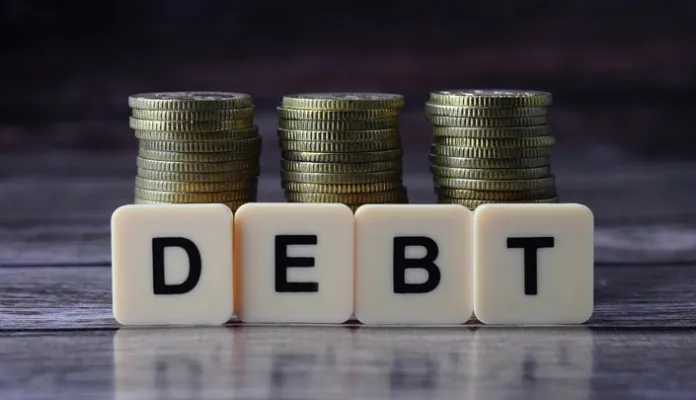
The Governor also noted that the completion of Ghana’s external debt restructuring could raise debt-service obligations, with potential implications for liquidity and the exchange rate.
“Completion of the external debt restructuring could raise debt service obligations, each of which would have implications for liquidity and the exchange rate,” he added.
Dr Asiama said the interaction between fiscal developments and monetary policy is one of the three key issues that will shape the MPC’s deliberations at its latest meeting.
The other issues are the recent rise in inflation and pressures on Ghana’s external position, including declining reserves and the slowdown in gold shipments.
The MPC is also considering whether the current 14% policy rate remains an appropriate anchor for inflation expectations amid these developments.