Former Auditor-General Daniel Yaw Domelevo has raised concerns about the alleged payment of money by the Presidency to Members of Parliament following their participation in the vetting of government nominees.
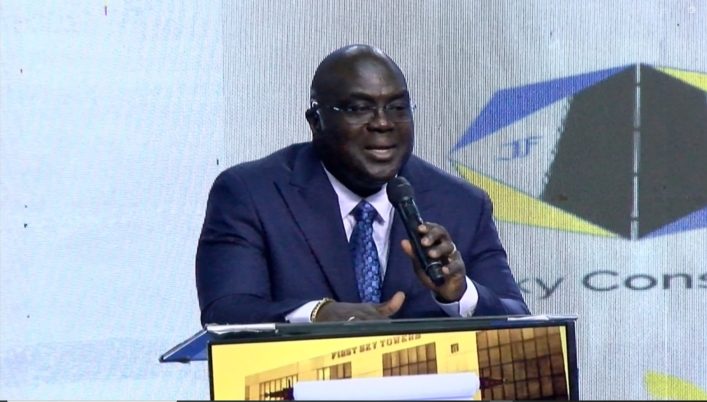
Daniel Domelevo argued that any sitting allowances due MPs for parliamentary duties should be paid through Parliament’s budget rather than funds allocated to the Office of the President.
He made the comments durimg a panel discussion on Saturday, September 5, while discussing an alleged GH¢70,000 payment reportedly linked to the vetting of ministerial and Supreme Court nominees.
According to Domelevo, allowing an office under the Presidency to make payments to MPs raises questions about proper public financial management and the separation of budgetary responsibilities between state institutions.
He said Parliament has its own budget and should therefore be responsible for settling allowances associated with activities undertaken by its members in the course of parliamentary business.
Mr Domelevo also stressed that any movement of public funds between government institutions must follow the requirements of the Public Financial Management Act.
He explained that where money has to be transferred between covered government entities, the necessary budgetary procedures and approvals must be followed.
This could include supplementary estimates where required.
His comments come amid an investigation by the Office of the Special Prosecutor (OSP) into an alleged GH¢70,000 payment reportedly offered to Deputy Minority Leader and Asokwa MP Patricia Appiagyei in connection with the vetting exercise.
The allegation emerged after a purported memorandum, said to have been authored by Mrs Appiagyei, circulated publicly.
While acknowledging her denial, Mr Domelevo said the issue should be examined beyond the specific allegation because concerns about payments to MPs following vetting exercises have emerged on previous occasions.
He maintained that a proper investigation would help establish whether the alleged payment was made and, more importantly, clarify the appropriate procedure for handling such financial arrangements.