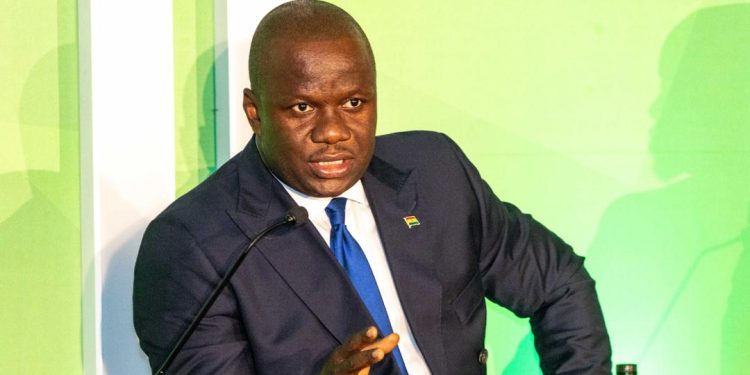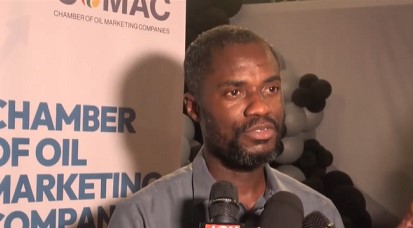
Dr. Riverson Oppong, Chief Executive Officer of the Chamber for Oil Marketing Companies (COMAC), has called for improved technological coordination between Ghana’s petroleum management platforms following recent supply disruptions.
Dr. Oppong clarified that the disruptions were not caused by the Integrated Customs Management System (ICUMS) but by issues with the Enterprise Relational Database Management System (ERDMS), which quickly triggered a solution to resolve the problem.
“The issue was not with ICUMS, but with the Enterprise Relational Database Management System (ERDMS). The ERDMS quickly triggered a solution to the problem, so while there was an issue, it has now been resolved,” he said.
Dr. Oppong argued that although the ERDMS problem has been fixed, the incident exposed weaknesses in the coordination between import processing and depot offloading systems.
“Going forward, I believe we should not rush to release statements, because here we are blaming ICUMS when the problem did not originate from it.
“We need a very strong IoT system to manage both platforms so that these problems do not recur. Let us avoid individual press releases and instead work toward a collective solution for the industry,” he added.
The call comes after some Oil Marketing Companies (OMCs), including state-owned GOIL PLC and private operator Star Oil Ghana, had attributed recent fuel shortages at depots to technical difficulties with the ICUMS platform, which is used to process tax liabilities and facilitate petroleum lifting.
Ghana Link Network Services Ltd. has since refuted those claims, stating that the ICUMS platform remained fully operational and that the disruptions were linked to ERDMS, the system responsible for offloading petroleum products.