The Ghana Youth Manifesto Coalition (GYMC) has called on government to reverse a 30% reduction in the 2026 budget allocation to the Ministry of Youth Development and Empowerment, warning that the cut could undermine programmes targeted at young people.
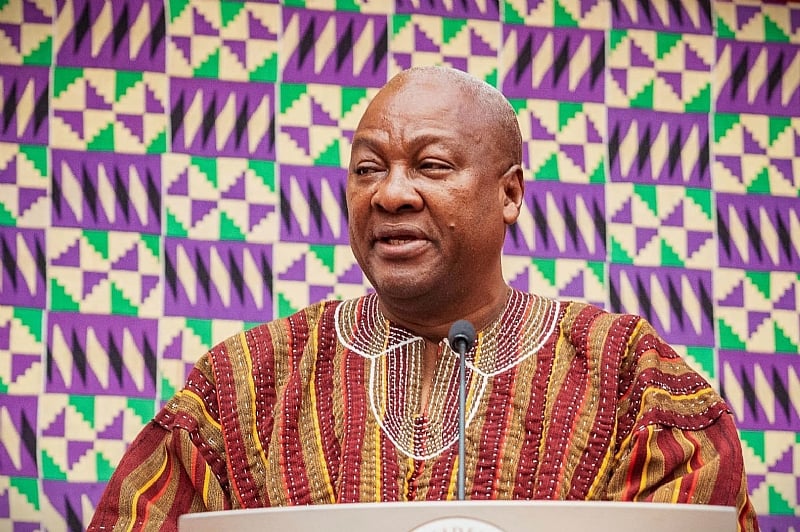
The appeal follows the 2026 State of the Nation Address delivered by President John Dramani Mahama to Parliament on Friday, February 28. In a statement reacting to the Address, the Coalition acknowledged strides made in certain youth-focused interventions but expressed concern over what it described as a widening gap between policy announcements and the lived realities of young Ghanaians.
While welcoming the creation of the Youth Ministry as “a progressive institutional acknowledgment of youth centrality,” the Coalition said the reported 30.4% decline in the allocation for Goods and Services raises serious questions about the Ministry’s capacity to drive development.
“A Ministry without adequate developmental funding risks becoming a ‘consumptive’ agency,” the statement said, urging government to restore funding for apprenticeship and entrepreneurship programmes and complete stalled Youth Resource Centres across the country.
On economic empowerment, GYMC noted that although the President projected macroeconomic stabilisation and renewed growth, young people were yet to feel tangible benefits.
“The true measure of recovery lies in whether young people can see the evidence in their daily lives – in job contracts, startup capital, apprenticeships, and expanded markets,” the Coalition stated.
It further revealed that more than 50% of the 104 youth-focused commitments under “The PLEDGE” had not shown verifiable commencement, according to its Youth Promise Tracker.
Programmes such as the 24-Hour Economy and AgriNext initiative, it stressed, “must not remain aspirational frameworks; they must translate into payroll entries, enterprise grants, and value-chain inclusion for young farmers, artisans, and innovators.”
Despite its concerns, the Coalition commended government for implementing the “No-Fee Stress” policy, which relieved over 220,000 Level 100 students of academic fees in 2026, and for distributing six million free sanitary pads. It described these measures, along with the scrapping of the E-Levy and other taxes, as moments of “Promise Made, Promise Delivered.”
However, it cautioned that improved access must be matched with quality outcomes, pointing to what it called a teacher deployment crisis that continues to affect learning, particularly in rural communities.
It called for quarterly progress reports on youth commitments and the institutionalisation of an accountability tracker to ensure that flagship programmes translate into measurable income generation.
“The youth of Ghana are not asking for charity. We are demanding coherence,” the statement said, adding “macroeconomic stability without microeconomic opportunity will not sustain hope.”Ghana travel guide
The Coalition pledged to continue monitoring and publicly reporting on youth-centred commitments outlined in the Address throughout 2026.