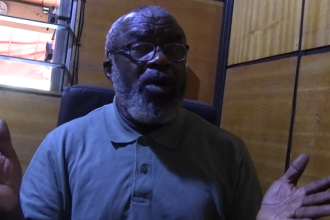
Economics Professor at the University of Cape Coast, William Brafu-Insaidoo, has warned that escalating tensions in the Middle East could undermine Ghana’s recent macroeconomic gains, particularly the country’s progress in reducing inflation to single digits.Ghana travel guide
Speaking on Channel One Newsroom on Saturday, February 28, Prof. Brafu-Insaidoo highlighted the closure of the Strait of Hormuz by Iran, a crucial global shipping route through which nearly one-third of the world’s seaborne oil and a significant portion of liquefied natural gas (LNG) transit, stressing the potential impact on global energy prices.
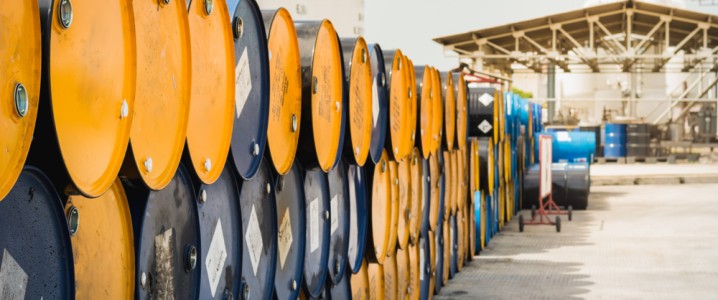
“The other angle we can look at this is in terms of global oil prices. Higher global oil prices will immediately increase domestic fuel and transport costs. The trickle-down effect is that once fuel and transport costs go up, it affects almost every other economic activity,” he said.
He added that rising transport costs would inevitably push up the prices of essential goods across the country, triggering what economists call cost-push inflation.
“When that is factored into other activities, the fact that a number of essential goods are transported and it will cost more to transport them, then obviously it is going to push up inflation. What we normally call cost-push inflation. And this is likely, if we are not careful, it can derail Ghana’s recent success in bringing inflation down to single digits,” he said.
The warning comes in the wake of U.S. and Israeli strikes targeting Iran’s leadership and military assets, which prompted retaliatory missile and drone attacks on Israel and U.S. bases across the region.
Following the attacks, Iran announced the closure of the Strait of Hormuz, a vital corridor for global oil transportation. The Revolutionary Guards confirmed that no vessels will be allowed passage through the strait.
Israeli Prime Minister Benjamin Netanyahu said Israel had destroyed the compound of Iran’s Supreme Leader, Ali Khamenei, signalling a sharp escalation in regional hostilities.