A recent wave of domestic violence cases in Ghana has once again exposed deep gaps in the nation’s social protection systems. Within just a few weeks, the country has recorded a series of harrowing incidents.
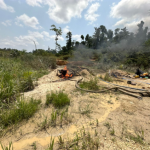
A man in Ofankor captured on video assaulting a woman believed to be his wife; another allegedly burning down his home at Akyempim in the Central Region, killing his wife, their five children and a grandchild; a stepmother in Winneba reportedly scalding a young girl’s private parts; and at Kokrobite, a father allegedly beating his 13-year-old daughter and locking her up until she died.
These stories may be different, but they all point to the same reality: vulnerable people are not being adequately protected, and early warning signs are too often ignored.
While Ghana has laws designed to safeguard women and children, the systems meant to enforce those laws remain weak. Social services, particularly the Department of Social Welfare and Community Development under the Ministry of Gender, Children, and Social Protection, operate with limited staff and inadequate resources.
Shelters are scarce, leaving many survivors without a safe escape. Police units tasked with handling domestic violence continue to face training and capacity constraints.
Far too many cases gain attention only after going viral, highlighting a widening disconnect between communities and the institutions mandated to protect them. Stigma persists as well. Families still view abuse as a private matter, discouraging early reporting and allowing violence to escalate.
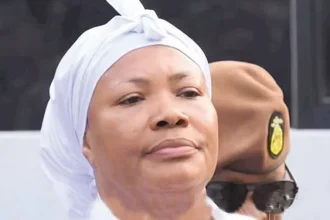
Leadership gaps also compound the crisis. The Gender Ministry must do more than permit cameras and bloggers to follow the minister as she visits victims. Survivors deserve privacy, protection, and meaningful support, not publicity. In many other countries, victims are shielded from public exposure and provided counselling, safe housing and consistent care during their recovery.
Examples abound. The United Kingdom operates a nationwide network of shelters, hotlines and trained responders. Canada invests heavily in community social workers who monitor vulnerable households and intervene early.
South Africa relies on community-based domestic violence courts that issue swift protection orders. These models show that robust systems and survivor-centred policies save lives.
Ghana can chart a similar path. Expanding social welfare services and increasing funding for shelters must be prioritised. Schools, churches and health facilities should be properly trained to identify signs of abuse.Ghana travel guide
Community social workers need more authority and better tools. Public education must challenge the belief that domestic violence is a private family issue rather than a crime. Police units need improved training and resources to respond adequately.
Domestic violence is not just a criminal matter, it is a social emergency. These recent cases serve as a stark warning: without stronger systems and determined leadership, more lives will be lost before help arrives.
Ghana has the laws. What is lacking is the structure, investment and urgency needed to protect those most at risk.