I’m a bit sensitive on the subject of fridges. They are a very personal space. When a well-meaning visitor moves to open the door on mine – to helpfully fetch their own milk, perhaps – I feel myself tense. Perhaps they’ll judge me for the squeezy bottle of mayonnaise (calls herself a food writer!), or the sticky jar of some Asian condiment that’s been gently crystallising there since Ottolenghi’s second cookbook.
These days, we keep everything in the fridge – but my mother would have thought it pretty odd to chuck the cheese and the chocolate in there, next to the leftovers of yesterday’s roast and the bottles of silver-top. She’d be right, too: cheese prefers to breathe at a somewhat warmer temperature, around 10C, and chocolate becomes greasy and tasteless when chilled.
So, which other foods should avoid the big chill?
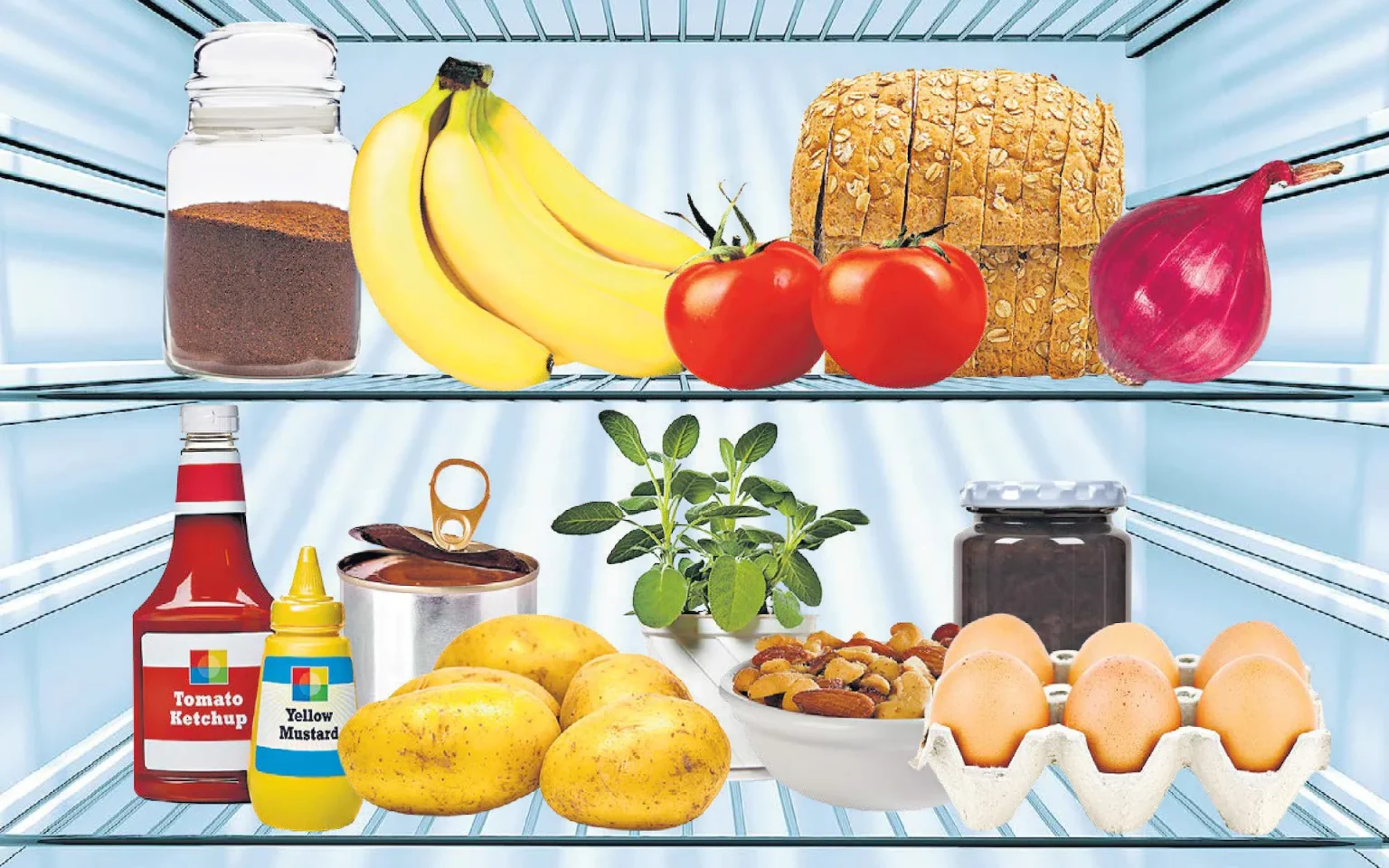
Foods to keep out of the fridge
Potatoes
Fridges spell disaster for potatoes, as the cold turns the starches to sugars, making for soggy, dark roasties and cloying, gloopy mash. Store them instead in a dark, well ventilated, cool spot. 8-10C is ideal, but at least make sure they aren’t next to the radiator.
Onions
Fridge temperatures can turn onions soft, so store them as potatoes – but in a separate cloth bag.
Bananas
Never refrigerate bananas as it’ll turn the skin a putrid-looking black. Better to freeze them in their skins and use in a bake.
Coffee
Never keep coffee in the fridge: it’s too damp, and may result in off flavours. The freezer can extend the life of whole beans, though.
Bread
Keeping bread in the fridge makes the starch molecules crystallise, so the bread toughens and dries out – OK for toast at a pinch, lousy for sandwiches. If you don’t eat much bread, you’re better off keeping your sliced loaf in the freezer and toasting from there.
Ketchup
Who wants cold sauce on their sausages? Keep it in the cupboard.
Foods to keep in the fridge
Herbs
Basil hates the cold, but other herbs stay perkiest wrapped in dry kitchen paper or in a jar of water and stored in a plastic bag in the fridge.
Nut oils
If it’s not in the fridge, it’s almost certainly rancid. That goes for toasted sesame too, stir-fry fans.
Pet food
A controversial one: dried food definitely doesn’t need to be in the fridge, but open tins (properly covered) will last longer and smell less if kept cold.
Foods to chill – in certain circumstances
Nuts
Unroasted nuts keep perfectly well in the cupboard, but once they’ve been toasted they are prone to rancidity, so store them in the fridge. Long term? Any nuts will last for a year or more in the freezer.
Eggs
Keep eggs in the fridge to extend their life, from around two weeks to two months. But beware: cold eggs are useless for baking (they’ll curdle a cake batter) and chilling breaks down the natural seal on the shell, so once they’ve been in the fridge you can’t change your mind and leave them out instead.
Jam
Traditional jam keeps in the cupboard perfectly well, provided you use a clean spoon to dollop it on your plate – toast crumbs from your knife are prone to turning mouldy. That said, modern preserves with lower sugar contents will need keeping in the fridge, unless you are planning to finish the jar within three or four days.
Mustard
Perfectly safe kept out of the fridge, but spice levels will fall, so if you like it hot, chill it.
Tomatoes
Never put firm tomatoes in the fridge as it stops the flavour developing and gives them a mealy texture. However, when they go squishy, the fridge will stop them going mouldy and give you another day or two to eat them up.