
While the ongoing tensions between Israel and Iran have not yet caused immediate disruptions to Ghana’s economy, some market analysts are warning that a broader escalation in the Middle East could have far-reaching consequences for the country’s fragile economic recovery.
Ghana recently posted a 5.3% GDP growth in the last quarter, reflecting positive momentum across several key sectors.
Despite this progress, experts caution that external shocks, especially geopolitical crises involving major global energy suppliers, could threaten the sustainability of that growth.
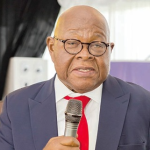
In an interview, economist and lecturer at the University of Ghana Business School, Professor Patrick Asuming, emphasised that Ghana’s economic vulnerabilities are closely tied to its dependence on imported fuel and its exposure to global commodity markets.
“Even if the conflict remains localised, disruptions in oil production or international shipping routes could lead to rising fuel prices globally, if that happens, Ghana will feel the impact through higher import costs, increased inflation, and pressure on foreign exchange reserves,” Prof. Asuming said.
According to Prof. Asuming, energy price volatility can cascade into multiple sectors of the economy.
Fuel price hikes tend to increase transportation and logistics costs, which in turn raise the prices of goods and services, particularly food.
This could undermine Ghana’s current efforts to consolidate macroeconomic stability and bring inflation under control.
“What we can do to help ourselves is to manage the economy more effectively. Yes, the first five months of the year have shown signs of stability, but we are not out of the woods yet. Difficult policy decisions still lie ahead,” he noted.
He further stressed that any significant supply chain disruptions or prolonged instability in global energy markets could severely affect Ghana’s balance of payments, increase fiscal pressures, and slow the pace of economic recovery.
As tensions in the Middle East persist, economists say the government must remain vigilant, strengthen domestic resilience, and implement proactive strategies to cushion the economy from external shocks.
These may include diversifying energy sources, improving local fuel storage and distribution infrastructure, and accelerating structural reforms to boost local production and reduce import dependency.
With global uncertainties mounting, Ghana’s path to sustained economic growth may depend as much on global developments as on its internal policy discipline and preparedness.