TGR TGR - News, Politic, Business, Sport, Entertainment

Awards
  • Home
  • News
  • Business
  • Entertainment
  • Sports
  • Election Data Center
  • The Ghana Report Jobs Fair
The Ghana Report

-Advertisement-

-Advertisement-
File Photo
Lifestyle

What petting a dog can do for your brain

Story By CNN Lifestyle On November 14, 2022, 11:13 AM
Share

Is sleeping with your pets good for them? —

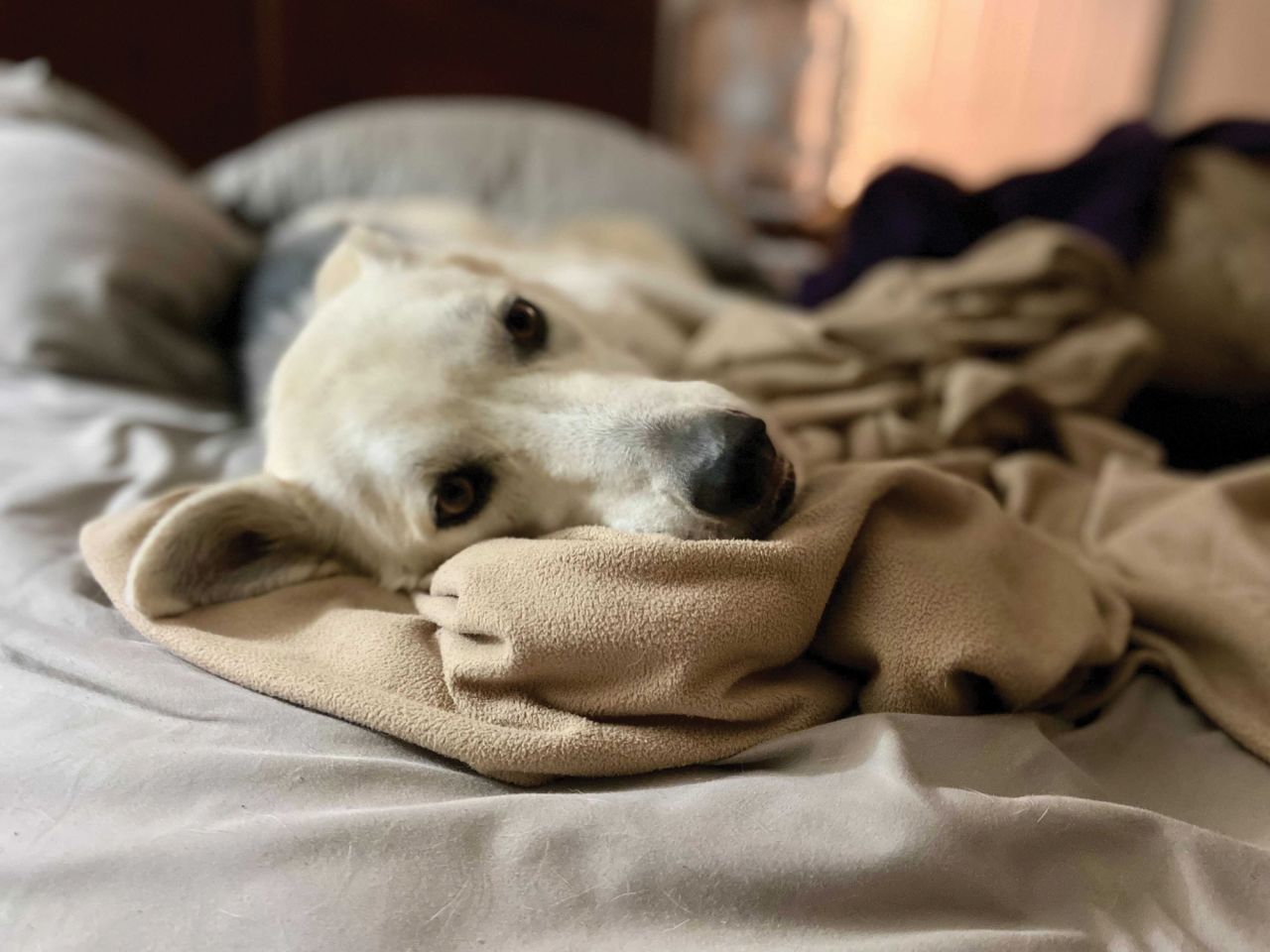
“In general, it is a very good thing for animals to sleep with their people,” said Dr. Dana Varble, the chief veterinary officer for the North American Veterinary Community.

“Do you really think there’s enough room for you?” — Delilah, a 10-year-old Siberian husky.

Courtesy Brawner Raymond

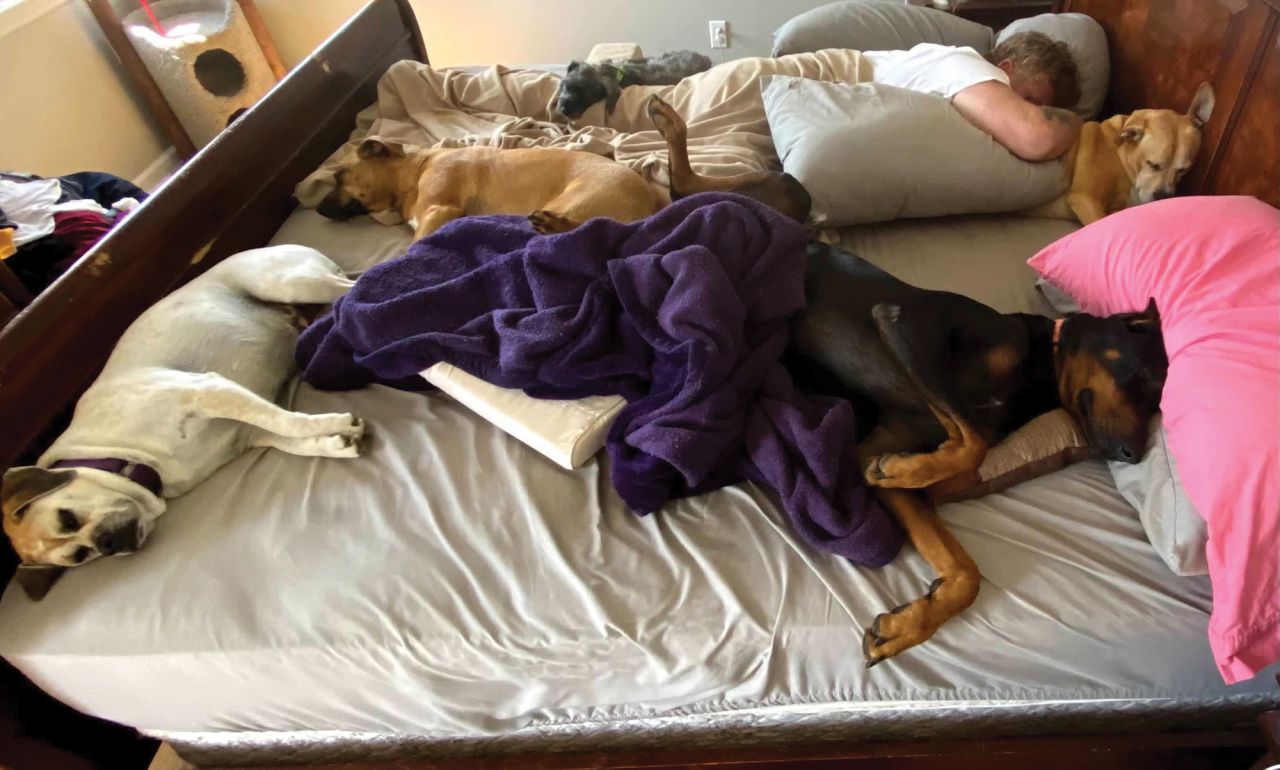
"Who says everyone can't fit in the bed? As long as I get the biggest part so I can spread out, I'm cool." -- Beast (bottom right), a 106-pound  European Doberman, with (clockwise from bottom left) his sisters Buttercup and Bear; brother Joey, laying on their human; and sister Bailey.
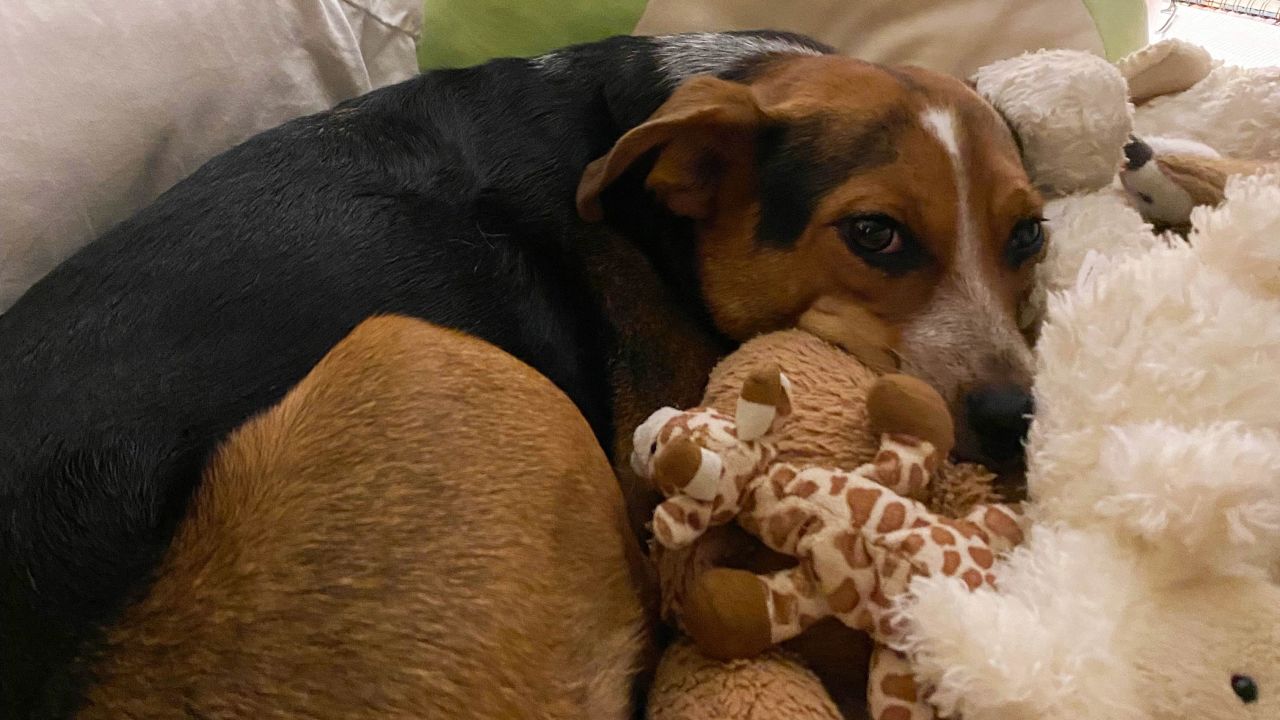
"Hi I'm Tessie, a 4-year-old Australian cattle dog. I love sleeping with my girls so much that when they go to the store i snuggle with their bed toys until they get back."
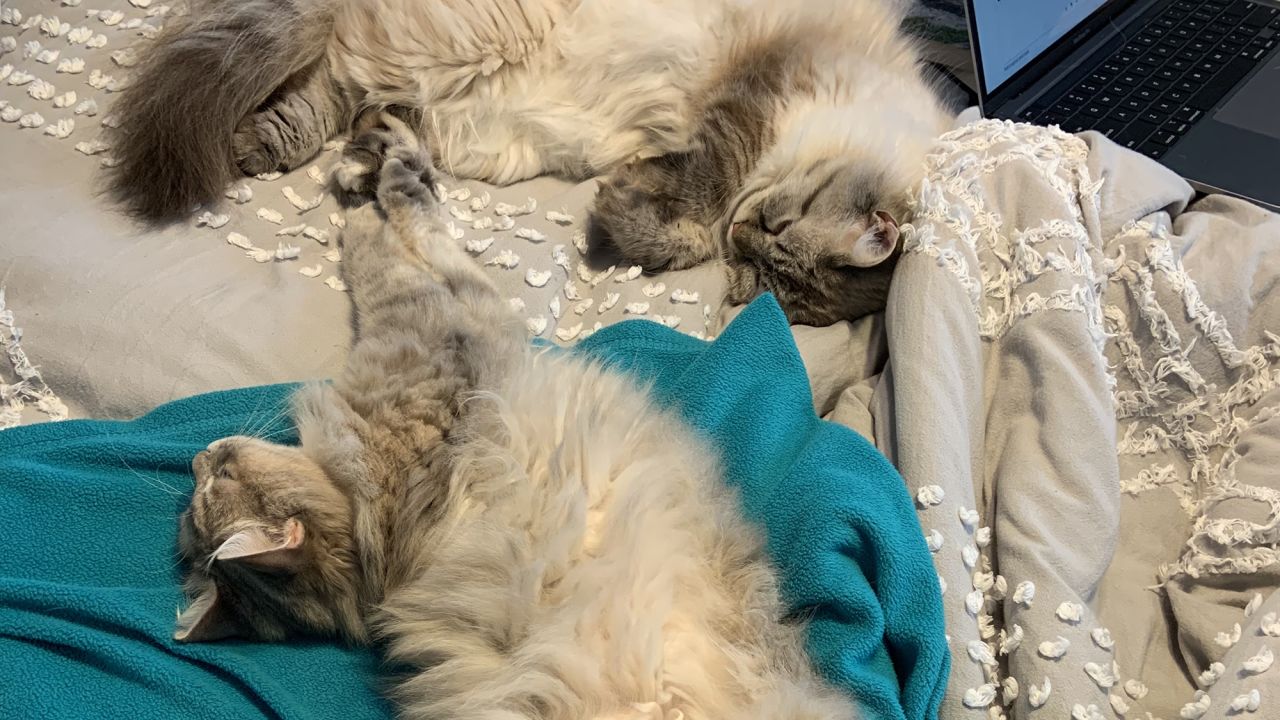
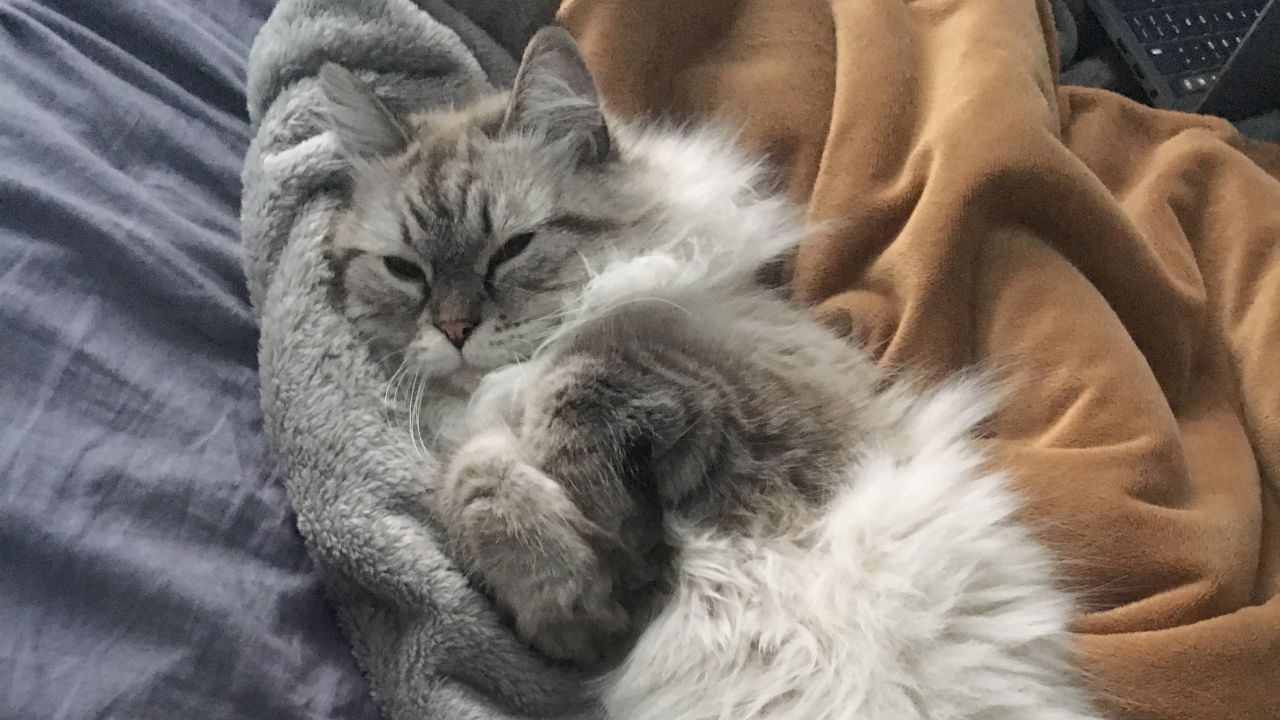
"In the animal world, animals who are bonded tend to sleep together," Varble said. <br /><br />Lynx (top) and Luna (bottom) are 2-year-old Siberian Forest cats.
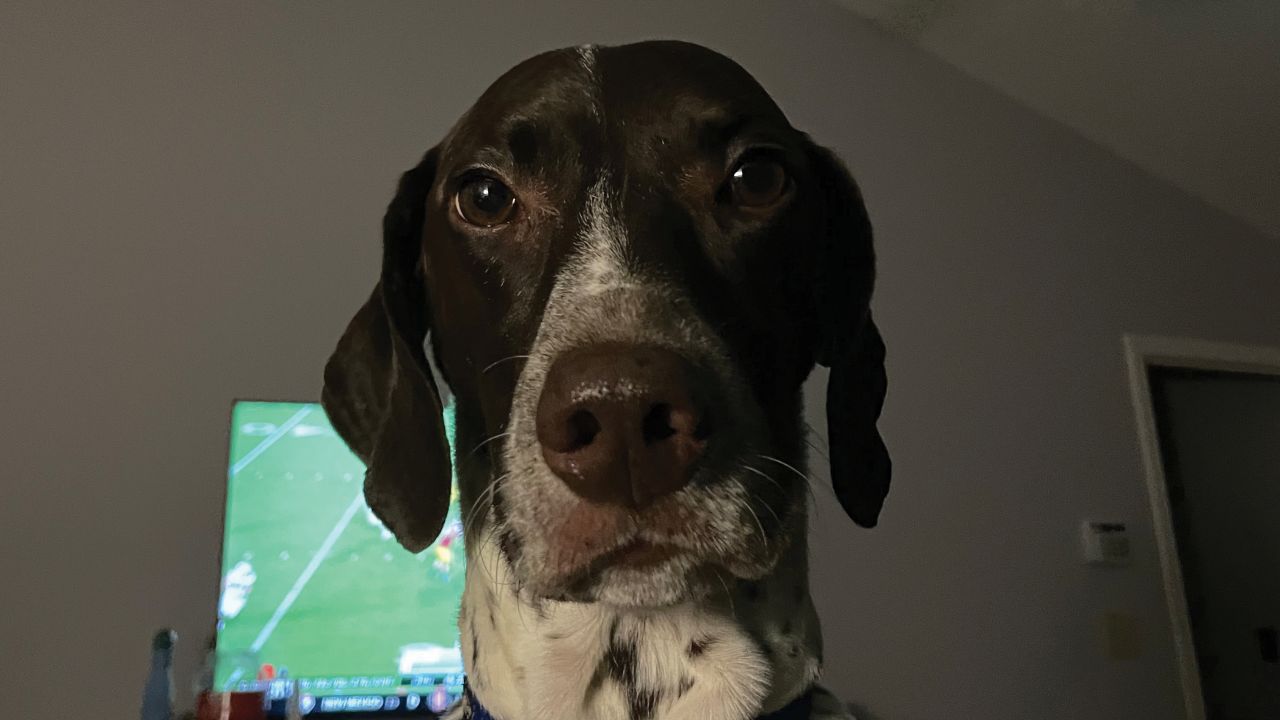
"Come on, Dad, that's enough sports for tonight. It's time for bed." -- Ellie, a 6-year-old German shorthaired pointer, who likes to sleep under the covers next to her humans.
Dogs and cats who share their human's bed tend to have a "higher trust level and a tighter bond with the humans that are in their lives. It's a big display of trust on their part," Varble said. <br /><br />Banshee, a 6-year-old Husky mix, is a rescue who survived heartworms.
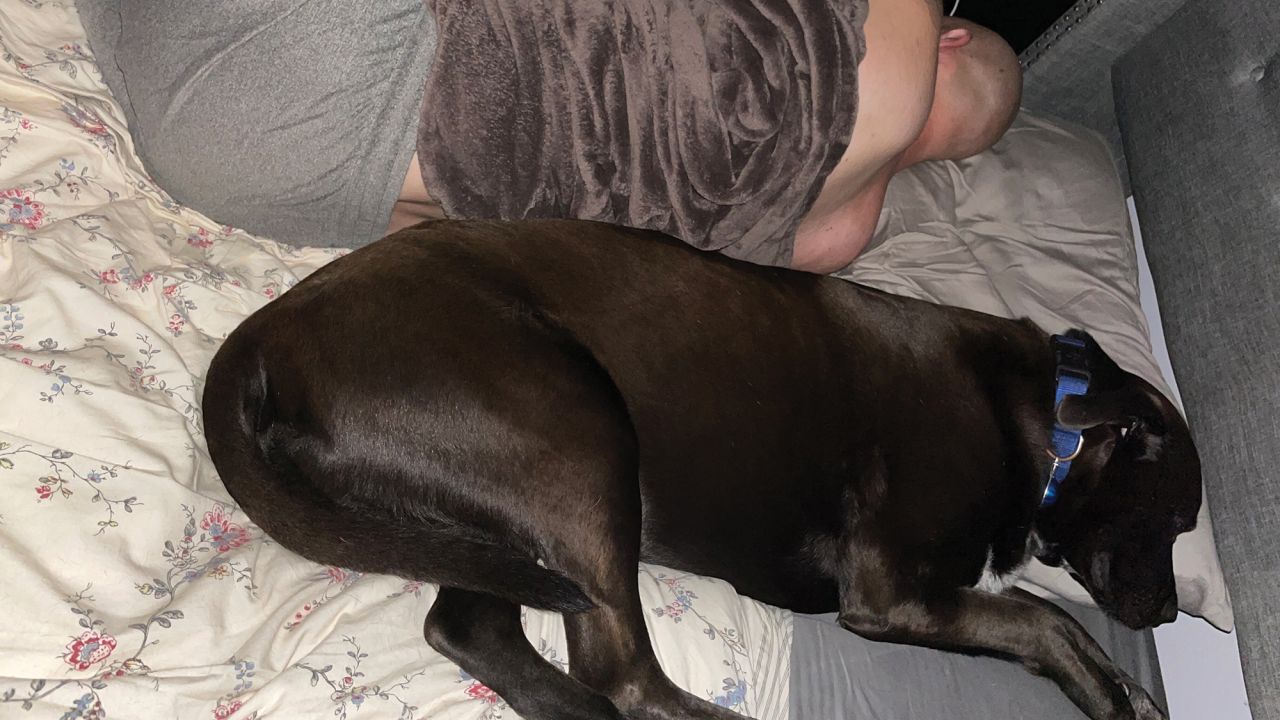
 "When a dog turns their back to you, it's an incredible sign of trust because that is a very vulnerable position for them -- they can't keep watch for danger," Varble said.<br /><br />Mason, a 3-year-old lab mix, loves to sleep next to his dad every night but hates covers.
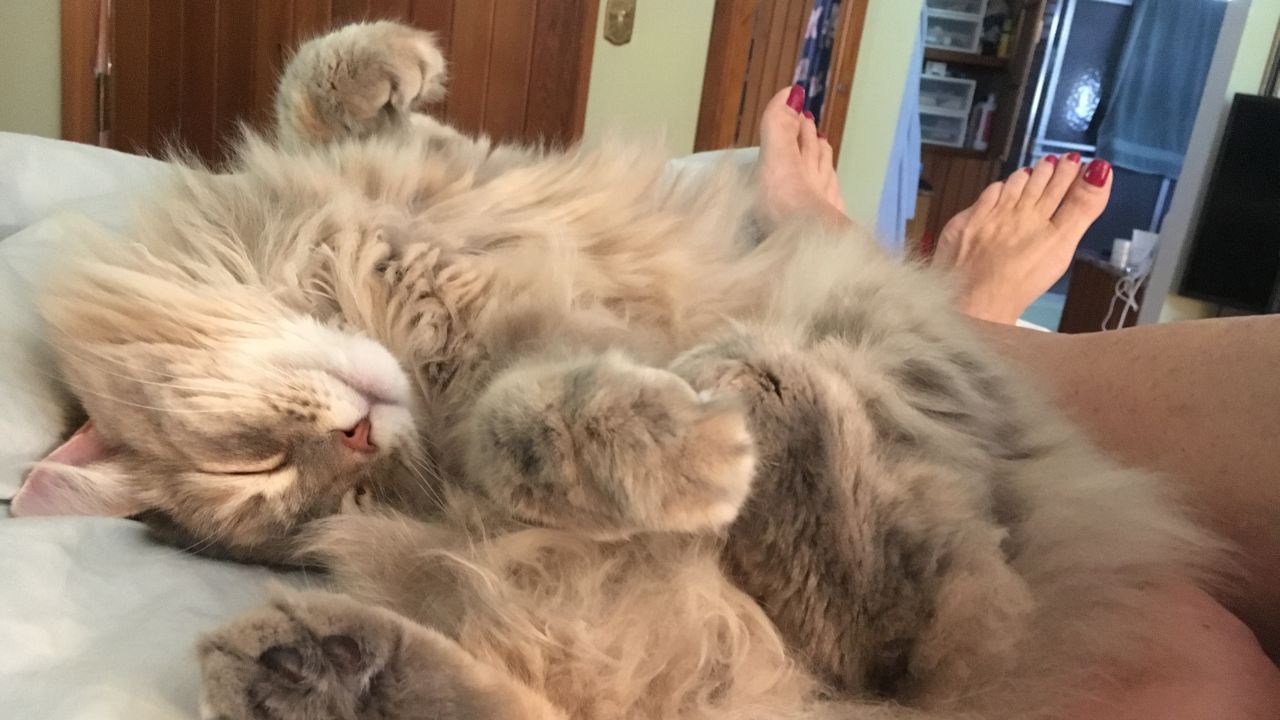
"Dogs and cats who are more closely bonded with their humans get additional health benefits," Varble said, including increases in oxytocin and dopamine, the feel-good hormones.<br /><br />"What? I don't snore!" -- Luna, a 2-year-old Siberian Forest cat. <br />
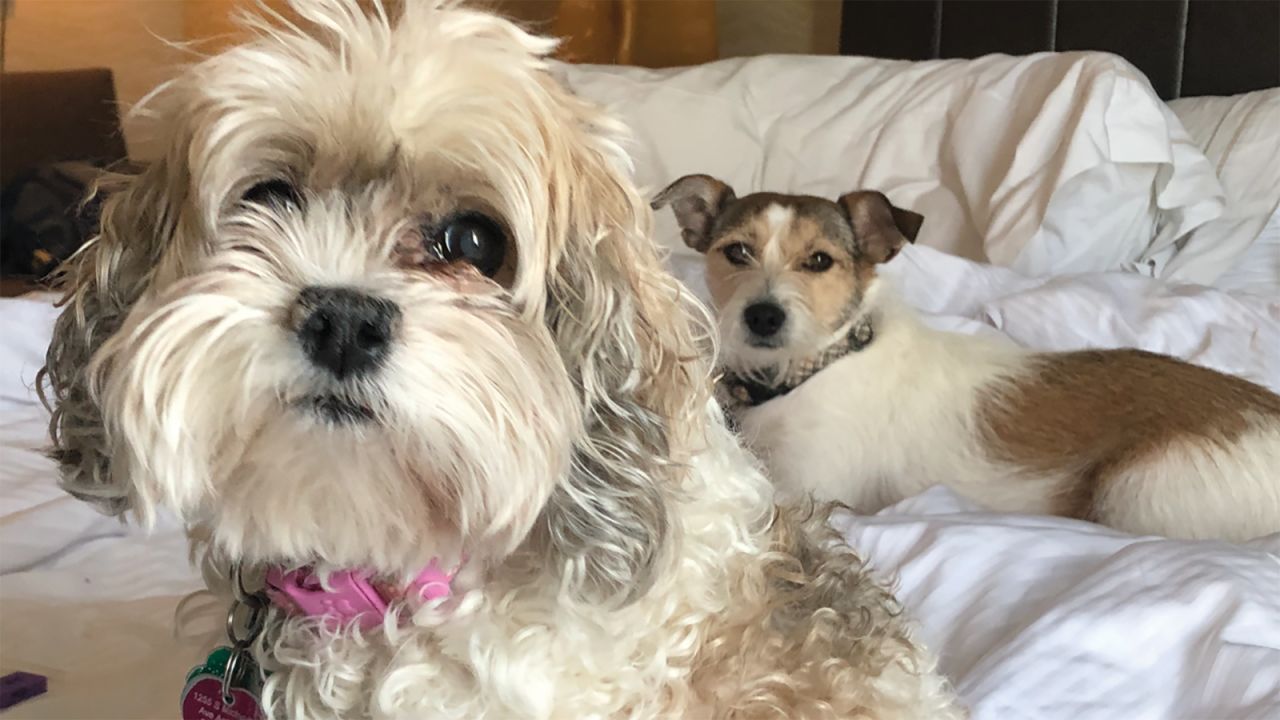
"Make sure all the pets in your house are up to date on flea, tick and internal parasite prevention, especially if you're going to have them in your bed," Varble advised. <br /><br />Molly (left), a 15-year-old cockapoo mix, likes to sleep in her human's armpit, while Evie (right) prefers the end of the bed and hates to be woken up early.
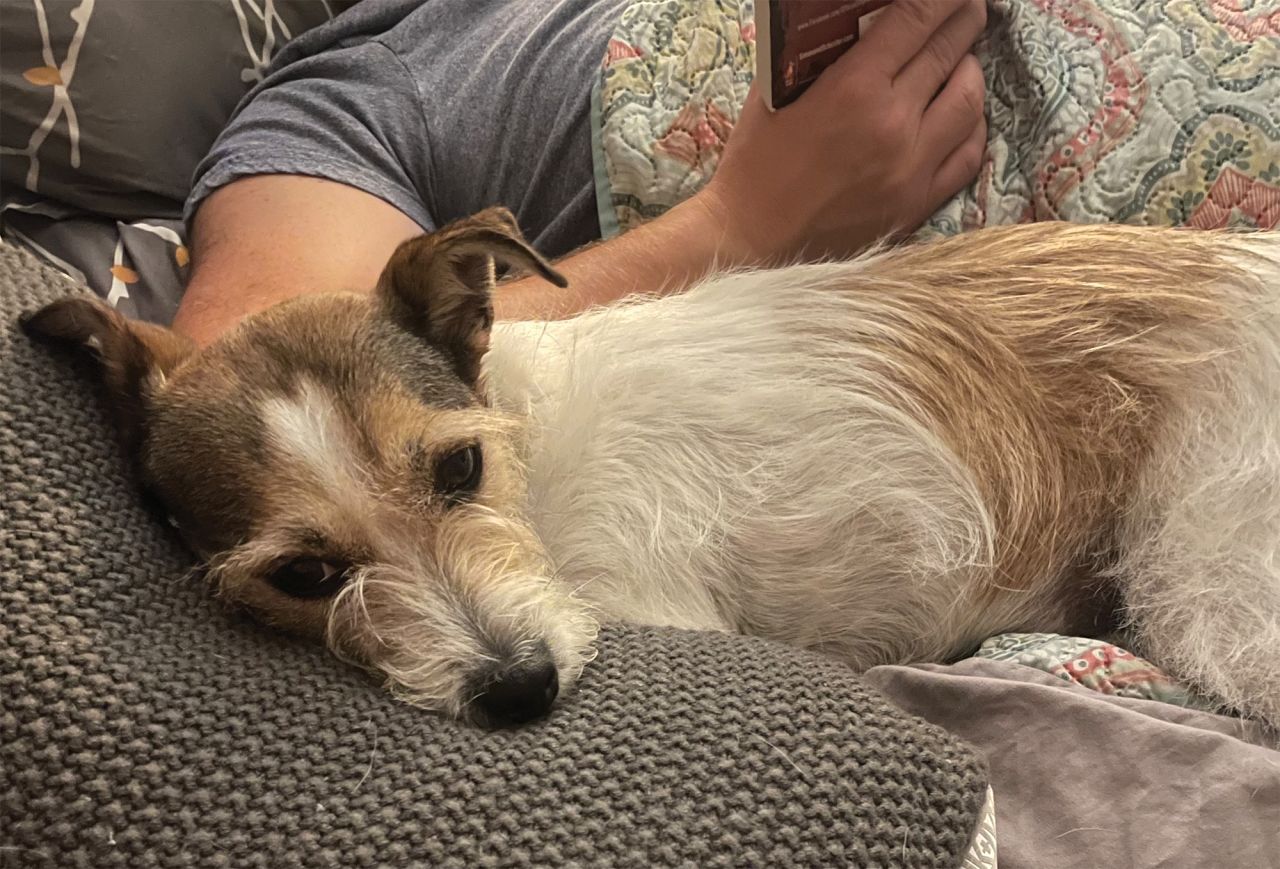
"Animals have different personalities like we do," Varble said. "Some people sleep with the lights on and some people like to sleep in the complete dark. One pet might have more of a protective, another more of an assertive personality."<br /><br />Evie, a 4-year-old Jack Russell terrier mix, has been known to crawl onto her human if she needs more affection.
A dog who sleeps at the end of the bed with their face toward the door might have a more protective personality, Varble said.<br /><br />"Thank goodness that bed hog Beast is gone so I can catch up on my zzz's." -- Buttercup, a 4-year-old beagle-bulldog mix.
"I may look like an angel, but in the night I have been known to walk or sit on my humans and try to smell their breath. I also enjoy draping my 2-foot-long body across their necks at about 3 a.m." -- Lynx, a 2-year-old Siberian Forest cat.
"Who says everyone can't fit in the bed? As long as I get the biggest part so I can spread out, I'm cool." -- Beast (bottom right), a 106-pound  European Doberman, with (clockwise from bottom left) his sisters Buttercup and Bear; brother Joey, laying on their human; and sister Bailey.

Editor’s Note: Sign up for CNN’s Stress, But Less newsletter. Our six-part mindfulness guide will inform and inspire you to reduce stress while learning how to harness it.

CNN — 

On one side of the room sits the cutest life-size stuffed animal you’ve ever seen. On the other side rests a real dog — same size, shape and even the same name as the stuffed version.

You get to sit next to both of these fluffy friends and pet their fur. Guess which one will make your brain light up?

04 puppy dog eyes wellness scn

Humans bred dogs to have puppy-dog eyes

If you guessed the real dog, you’re right. Stuffed animals, as cute and cuddly as they may be, just don’t supercharge our frontal cortex, the part of the brain overseeing how we think and feel, according to a new study published Wednesday in the journal PLOS ONE.

“We chose to investigate the frontal cortex because this brain area is involved in several executive functions, such as attention, working memory, and problem-solving. But it is also involved in social and emotional processes,” said study lead author Rahel Marti, a doctoral student in the division of clinical psychology and animal-assisted interventions at the University of Basel in Switzerland, in an email.

Why is this finding important? It provides additional evidence that live human-animal therapy interactions may boost cognitive and emotional activity in the brain, Marti said.

“If patients with deficits in motivation, attention, and socioemotional functioning show higher emotional involvement in activities connected to a dog, then such activities could increase the chance of learning and of achieving therapeutic aims,” she said.

This latest study adds to existing research on the benefits of animal-assisted therapy in medically supervised neural rehabilitation for nervous system conditions, such as strokes, seizure disorders, brain trauma and infections.

“This is an interesting, rigorously conducted study that provides new insight into associations between human-animal interaction and regional prefrontal brain activity in healthy adults,” said Dr. Tiffany Braley, an associate professor of neurology at the University of Michigan in Ann Arbor, who has published research on the connection between pet ownership and cognitive health.
cat elderly woman STOCK

Pets can boost your brain power, study says

“Although further work in larger samples of people with specific neurological conditions is needed, the current study could inform future research of animal-assisted interventions for neurorehabilitation by providing new data regarding the type, intensity, and frequency of animal interactions necessary to achieve desired physiological or clinical benefits,” said Braley, who was not involved in the new research.

Closer the better

Researchers used functional near-infrared spectroscopy (fNIRS) in the study, which is a portable brain scanner that provides flexibility since it’s functional in natural settings and not limited to a closed room in a lab. The technique measures brain activity via oxygen saturation of the blood in the brain.

The study team fitted each of the 19 participants with the scanner and asked them to observe and interact with one of three live dogs: a Jack Russell terrier, a Goldendoodle, and a golden retriever. First, the study participants watched the dog from across the room. Then the dog sat next to them. Finally, each person was allowed to pet the dog. This process occurred twice more at later dates.
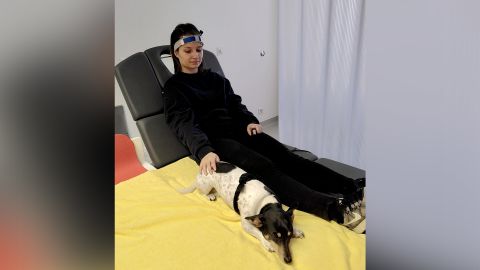
Petting a live dog supercharged activity in the part of the brain that controls thinking and emotional reactions, the study found.

In other sessions, each person repeated the same sequence with a plush stuffed lion that contained a hot water bottle to simulate the body temperature of a live dog. In each of the scenarios, brain stimulation rose as the dog or stuffed animal moved closer.

“We found that brain activity increased when the contact with the dog or a plush animal became closer. This confirms previous studies linking closer contact with animals or control stimuli with increased brain activation,” Marti said.

However, the study found an even stronger boost in brain activity when the person petted the fur of a real dog versus the stuffed animal.

“We think emotional involvement might be a central underlying mechanism of brain activation in human-animal interactions,” Marti said, adding that the stuffed animal likely triggered less affection.

The results mirror findings by other researchers, who found more brain activity when participants interacted with live rabbits, guinea pigs, cats, dogs and horses, she said.

“Positive nonverbal cues and reciprocal interactions provided by a living animal could in part explain this difference,” Braley said.


dogsLifestyle
You might also like
Lifestyle

5 tips to keep your relationship strong during a major move

Lifestyle

8 reasons to call rather than text

Lifestyle

4 simple ways to be a better friend

Lifestyle

4 qualities you absolutely need to get your dream job

Leave A Comment
Cancel Reply

Your email address will not be published.

Advertisement

Advertisement
© 2025 - The Ghana Report. All Rights Reserved.
Terms of Use   Privacy   Cookies   About Us   Advertising
  • Home
  • News
  • Business
  • Entertainment
  • Sports
  • Election Data Center
  • The Ghana Report Jobs Fair