In 2025, Ghana’s economy recorded notable gains, reflecting the combined effects of policy reforms, sectoral growth, and international support, with a new administration building on the foundations laid by the previous administration.
-
Cedi rebound: The Ghana Cedi strengthened significantly, trading at approximately GH¢11.15 to the US dollar by December 30, 2025, making it one of Africa’s top-performing currencies. The NPP’s debt management strategies helped restore investor confidence, which underpinned the Cedi’s recovery.
-
Inflation drop: Inflation fell from double digits to 6.3% by November 2025, easing pressures on consumers and businesses.
-
IMF borrowing: Ghana remained Africa’s fourth-largest borrower from the IMF, with support helping stabilise the cedi, reduce inflationary pressures, and restore investor confidence.
-
Debt targets met early: The government met key debt targets three years ahead of schedule through tightened fiscal policies.
Ghana met key debt reduction targets three years ahead of schedule, thanks to fiscal reforms introduced under the NPP.
-
Bilateral debt restructuring: In December, Ghana signed its seventh bilateral debt restructuring agreement with the Czech Republic.
-
24-Hour economy initiative: Launched in July 2025 to boost productivity in manufacturing and logistics, supported by lower off-peak electricity tariffs but funding and roll out has seen little or no shape.
-
GoldBod controversy: Allegations of a $214 million loss at the state-linked gold trading entity sparked political and business debates and calls for a bipartisan inquiry.
-
Tema Oil Refinery (TOR) resumption: TOR successfully resumed crude oil refining in late December after years of inactivity.
-
Banking sector growth: MTN Ghana reported a 54% profit increase in Q1 2025, while Societe Generale Ghana was named the Best Trade Finance Provider.
-
ICT sector boom: The ICT sector grew 21.3% in Q2 2025, driven by a $400 million investment from telecom operators to expand 5G and network capacity.
-
Cryptocurrency regulation: Ghana moved toward legalizing and regulating virtual assets, with the Virtual Asset Service Providers Bill awaiting presidential assent by year-end.
-
Fintech leadership: Over 92% of adults were using mobile money services by late 2025, maintaining Ghana’s lead in African financial inclusion.
-
Lithium mining progress: Atlantic Lithium resubmitted its lease for the Ewoyaa Lithium Project, proposing royalties of 5–12%, bringing Ghana closer to its first lithium mine.
-
Mining oversight: The Ministry of Lands and Natural Resources announced plans to revoke 50 large-scale mining licenses due to regulatory breaches.
-
Overall economic outlook: Ghana’s combination of currency stability, fiscal discipline, and growth in tech and natural resources initiated by the former NPP administration ably continuing under the new administration positioned the country for continued economic progress in 2026.
- BoG surprises with first rate hike since July 2023: In March, the Bank of Ghana raised its policy rate by 100 basis points to 28%, following Dr Asiama’s first Monetary Policy Committee meeting.The committee has since cut the policy rate in subsequent meetings to 18 per cent by the end of 2025. Inflation is also at 6.3 per cent.
- Ghana’s gross reserves estimated at $9.4bn in Feb.: The stock of Ghana’s Gross International Reserves was estimated at US$9.4 billion at the end of February 2025. This was in line with the International Monetary Fund target. According to the Bank of Ghana, reserves were enough to cover 4.2 months of imports of goods and services.
- World Bank backs Ghana $360m to strengthen macroeconomic stability: In June, the World Bank approved a $360 million financing package to support Ghana’s economic rebound, a move that signals renewed confidence in the country’s path to recovery and reform. The funding, under the Second Resilient Recovery Development Policy Operation (DPO), aimed to restore macroeconomic stability, revive investor confidence, and reinforce structural reforms to future-proof the economy.
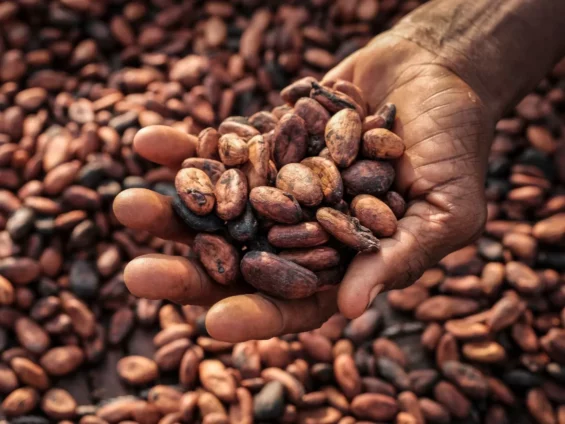
- COCOBOD was expecting over $4bn in inflows before end of year: In August, the Bank of Ghana Governor, Dr Johnson Asiama, revealed that COCOBOD is expecting over $4 billion in inflows before the end of this year. He explained that the funds are part of a new financing arrangement introduced by COCOBOD to support cocoa purchases for the new crop season.
- Ghana’s mining sector posts GH₵17.7bn in fiscal payments: In October, the Ghana Chamber of Mines reaffirmed its commitment to transparency and responsible disclosure, revealing that Ghana’s mining sector generated over US$40 billion in mineral revenue between 2014 and 2023.